




Global oil prices jumped more than 2pc on Monday, with Brent crude rising above $90 a barrel after US forces struck Iranian launchers on Larak Island in the Strait of Hormuz.
The attack, carried out on Sunday, marked the first known US strikes on Iran since late July and heightened concerns over potential disruptions to global oil supplies.
Brent crude futures rose $2.22, or 2.52pc, to $90.32 a barrel by 2202 GMT, while US West Texas Intermediate (WTI) crude gained $2.01, or 2.41pc, to $85.41 a barrel.
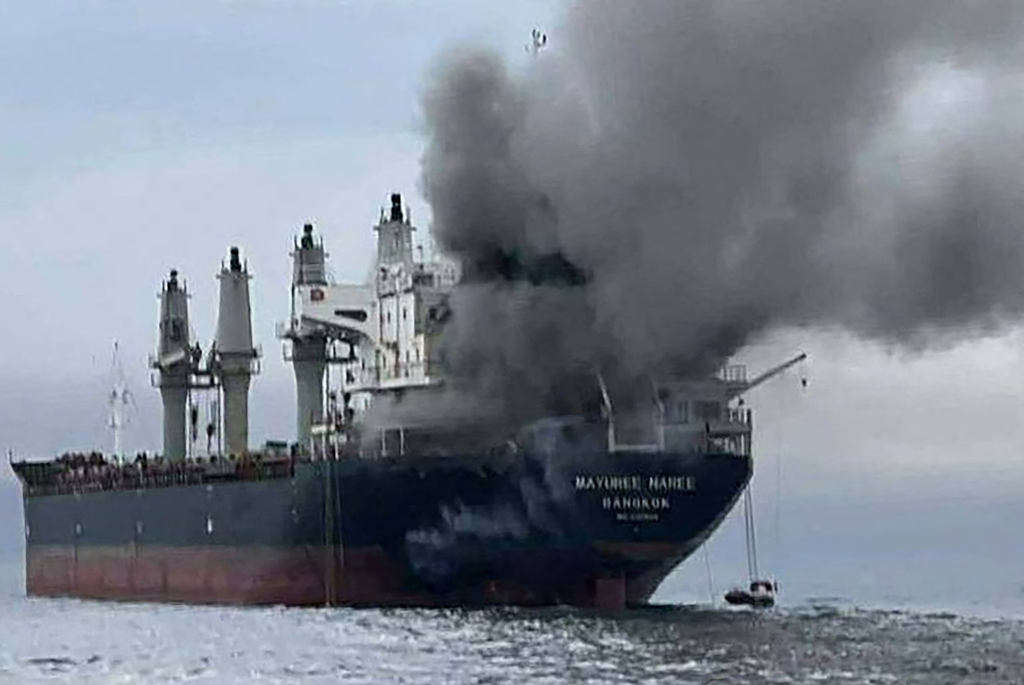
Brent opens above $90
Brent crude opened the new trading week sharply higher, trading at around $90.50 per barrel during the first minutes of Monday’s session and briefly approaching $91.
The benchmark had closed the previous week at $88.30 per barrel, meaning it gained roughly $2 at the start of the new trading week.
The move reflects growing concern among traders that continued military confrontation could threaten oil production, exports or shipping through the Strait of Hormuz.
Larak Island strike raises supply concerns
US forces struck two Iranian launchers on Larak Island after American officials said Iranian Revolutionary Guard Corps (IRGC) forces had been observed preparing to launch rockets carrying sea mines into the Strait of Hormuz.
The waterway is one of the world’s most important energy shipping routes, making any threat to its security particularly sensitive for global oil markets.
The IRGC said the US attack killed and wounded several people and vowed that the strike would be met with a response.
The latest escalation has therefore raised fears that further military action could disrupt tanker traffic or increase the risk premium attached to crude oil.
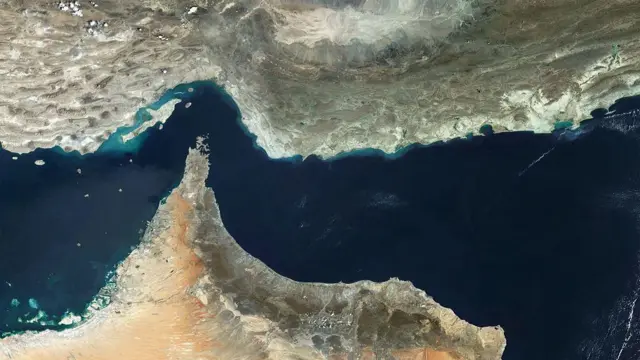
Strait of Hormuz remains critical
The Strait of Hormuz connects the Persian Gulf with the Gulf of Oman and is a major route for international energy shipments.
Any prolonged disruption to shipping through the strait could have consequences well beyond the Middle East, potentially pushing up crude prices and increasing the cost of fuel, transportation and other energy-intensive goods around the world.
Markets are therefore closely monitoring both military developments and any indications that Iran could attempt to restrict commercial shipping through the waterway.



