




NAIROBI, Kenya — President William Ruto’s administration is facing renewed scrutiny over the pace and depth of police reforms after former Chief Justice David Maraga made public a taskforce report that officials say has already informed changes to officers’ pay, promotions and human-resource management.
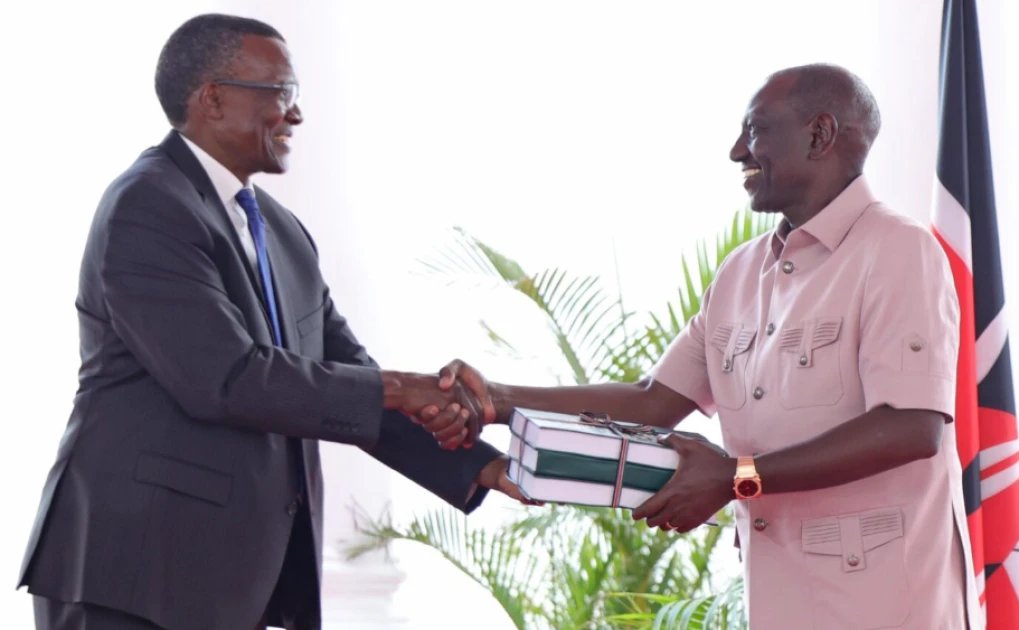
The report, handed to Ruto in November 2023, proposed wide-ranging reforms to the National Police Service (NPS), Kenya Prisons Service and National Youth Service (NYS).
Its publication this week has reopened a more fundamental question: which of the taskforce’s recommendations have actually been implemented, and which of its most consequential proposals remain outstanding?
The National Police Service Commission (NPSC) has said the government has been implementing the Maraga taskforce recommendations progressively, pointing to salary reviews, promotions and proposed amendments to the NPSC Act.
Maraga, however, says implementation has fallen short of the structural changes needed to make Kenya’s police service genuinely independent.
The former Chief Justice has particularly challenged the legal framework governing senior police appointments, arguing that changes made in 2014 increased presidential influence over the leadership of the service.
“The current Section 13 and Section 30 (of the National Police Service Act) put the deputies and the director in the presidential stranglehold. That is not reform, that is capture,” Maraga said.
The disagreement puts the Ruto administration under pressure to explain not simply whether it has implemented the report, but which recommendations it has prioritised and why some of the taskforce’s central institutional proposals remain unresolved.
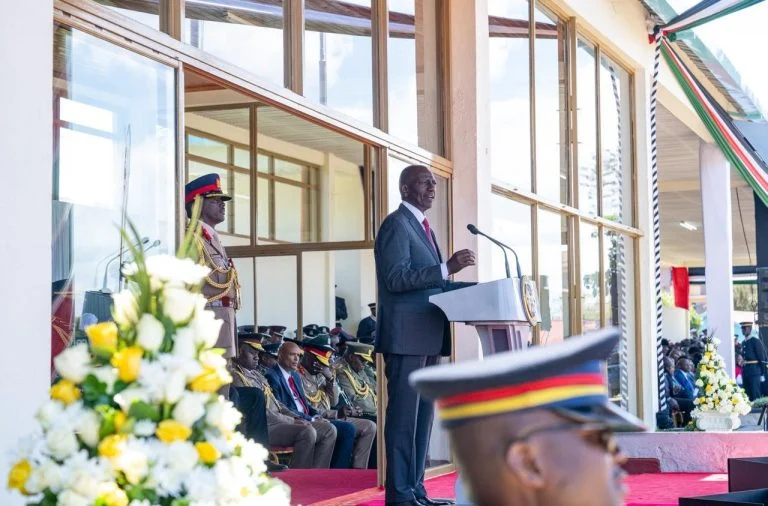
Reforms already underway
There is evidence that parts of the taskforce’s recommendations have moved beyond the report stage.
In September 2024, the NPSC announced a salary increase for police constables, raising the entry-level basic salary from Sh21,645 to Sh25,645.
The commission also reported promotions across several ranks, including the promotion of 1,957 constables aged between 53 and 59 who had remained at the same rank for more than three decades.
The NPSC subsequently cited salary reviews, promotions and proposed amendments to its governing law as evidence of progress in implementing the Maraga recommendations.
In May 2025, the commission told a parliamentary committee that implementation of the taskforce recommendations remained a priority.
It cited streamlined promotion and transfer processes, plans for digital recruitment and expanded mental-health and psychosocial support for officers.
The commission was still seeking funding for implementation in February 2026, when it told lawmakers that additional budgetary support was required for recruitment and further reforms under the Maraga report.
Those developments complicate any claim that the report has simply been ignored.
The sharper question is whether the reforms already undertaken address the taskforce’s deeper concerns about the organisation, independence and accountability of Kenya’s police service.
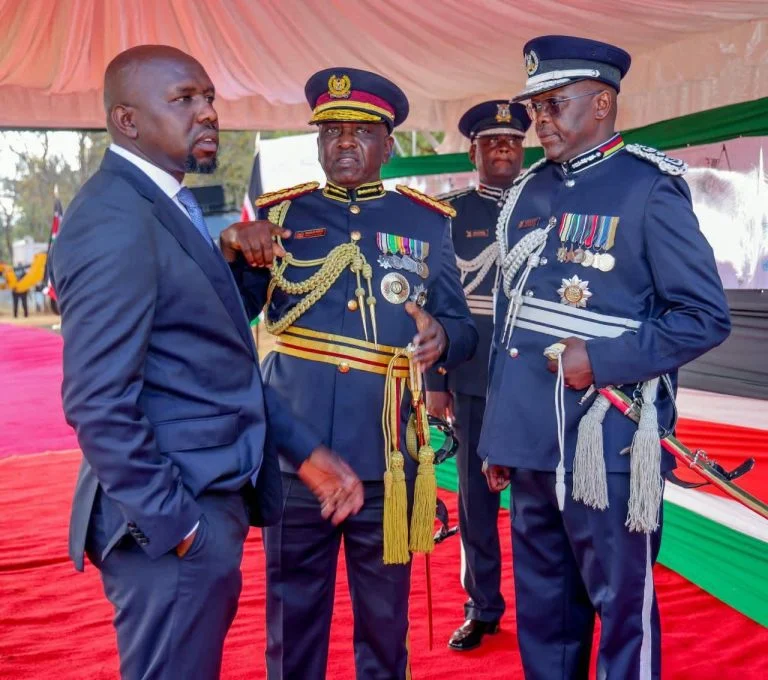
The unresolved power question
The taskforce examined legal, policy, administrative and institutional constraints affecting the National Police Service and identified leadership, corruption, underfunding and human-resource management among the major challenges.
Maraga now argues that some of the most important recommendations were never acted on.
He says the taskforce called for the repeal of the 2014 amendments to key sections of the National Police Service Act and recommended fresh, competitive recruitment for senior police positions.
“The answer to this malaise is simple. Repeal the 2014 mutilations of Sections 12, 13 and 30 and end the abuse of Section 80(2) of the Public Service Commission Act,” he said.
“Restore competitive recruitment of the Inspector General, Deputy Inspector General and the Director of Criminal Investigations.”
That argument shifts the debate from police welfare to political power and institutional independence.
If senior police leadership remains vulnerable to executive influence, Maraga argues, improvements in salaries, promotions and uniforms cannot by themselves amount to comprehensive police reform.
The government has not publicly accepted Maraga’s characterisation of the structure as “capture”. Its agencies have instead pointed to reforms already being implemented and continued work on the taskforce’s recommendations.
What the 2014 changes mean
At the centre of Maraga’s criticism are changes to the legal framework governing the appointment of senior police officers.
His argument is that the 2014 amendments weakened the competitive recruitment framework for senior positions and increased the President’s influence over the leadership structure.
That matters because the independence of police leadership is closely linked to accountability.
A police service may have improved salaries, equipment and promotion systems, but questions over who controls its top leadership can affect how independently it operates when dealing with politically sensitive investigations, public demonstrations and allegations of misconduct.
The disagreement therefore goes beyond the technical wording of the law. It raises the broader constitutional question of how much influence an elected government should have over institutions responsible for enforcing the law, including when those institutions are required to investigate actions by people in power.
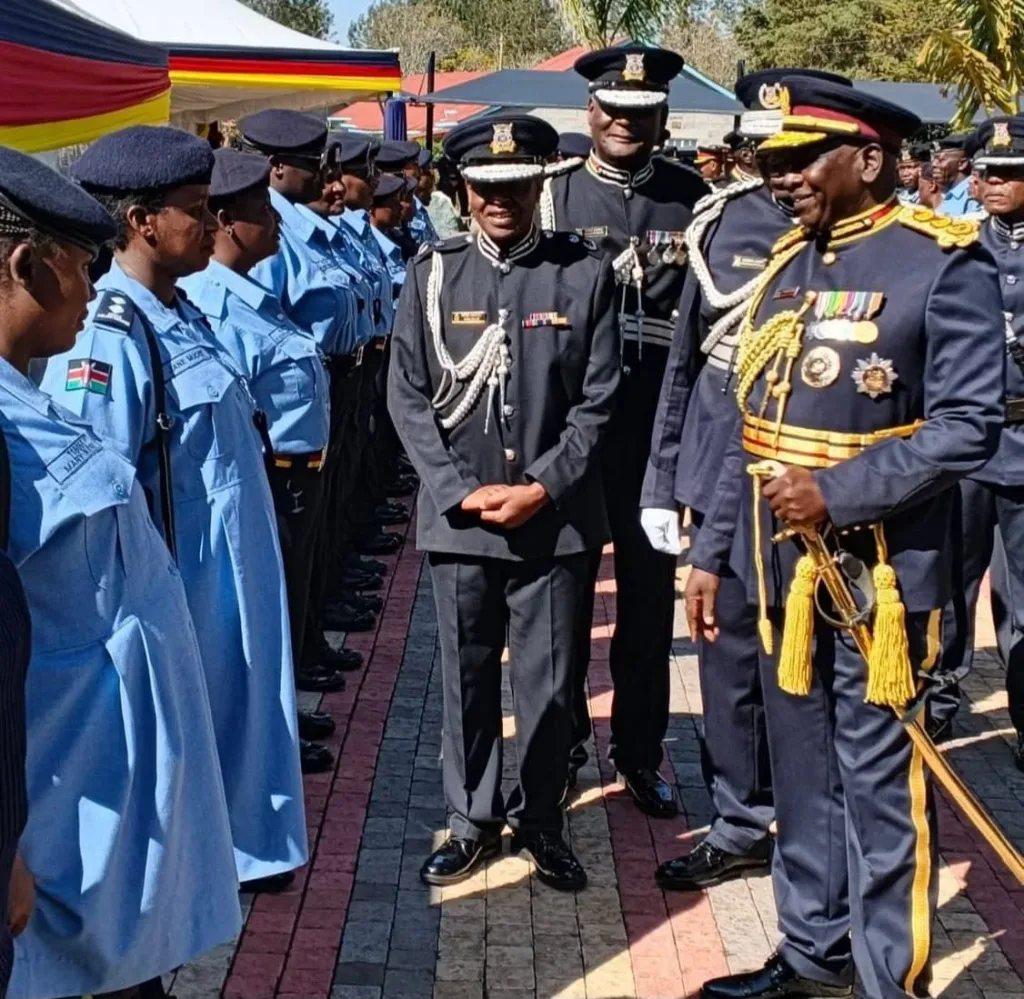
Uniforms expose the divide
The reform debate has intensified after the government introduced new police uniforms, prompting opposition politicians and critics to argue that visible changes have received greater attention than deeper institutional reforms.
Maraga has rejected the suggestion that uniforms represent the core of the taskforce’s agenda.
“A change of uniform, as important as it may be to officers, was not the central recommendation,” he said.
Democratic Party leader Justin Muturi similarly argued that police reform should focus on professional conduct and human rights.
“We want our officers to be taught issues on human rights, not matters of uniform,” Muturi said.
Wiper leader Kalonzo Musyoka has called for changes to police training, particularly in the handling of public demonstrations, while DAP-K leader Eugene Wamalwa has demanded full implementation of the taskforce recommendations.
The competing positions illustrate the wider divide over what should count as meaningful police reform: improved welfare and working conditions, or fundamental changes to accountability, leadership and institutional independence.
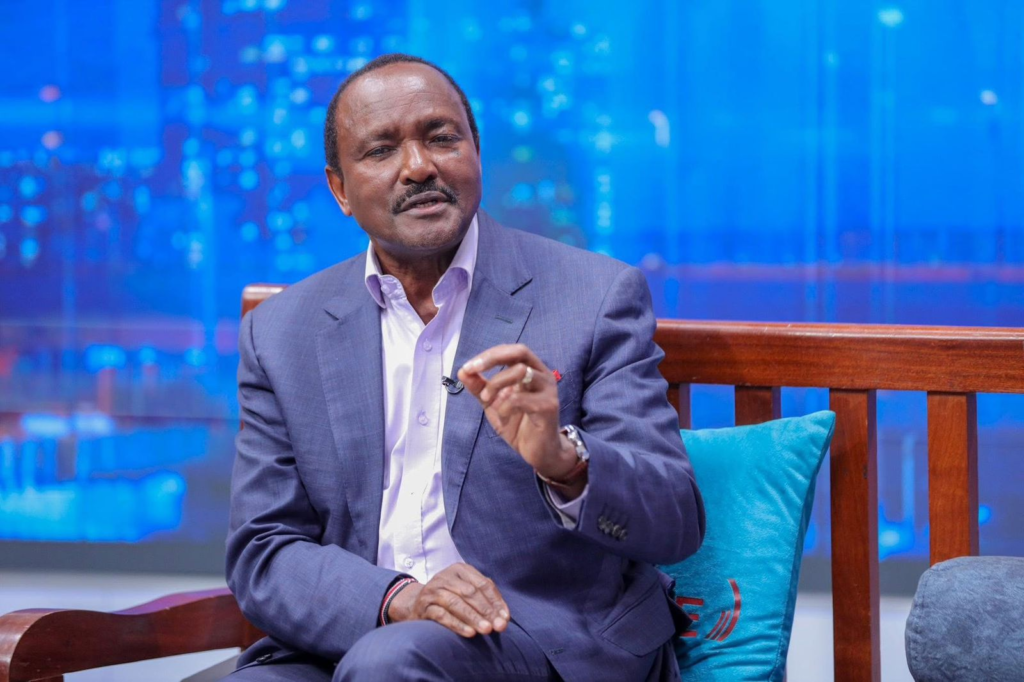
Police conduct remains a major test
The debate is unfolding against a wider backdrop of scrutiny over police conduct in Kenya, including claims by Maraga concerning deaths allegedly linked to police brutality.
Those figures are claims made by the former Chief Justice and should not be treated as independently established figures without supporting evidence.
The issue of police conduct nevertheless remains central to the reform debate.
Changes in pay and promotions may improve morale and working conditions, but they do not automatically resolve questions about the use of force, accountability for misconduct, investigations into police killings or the treatment of protesters.
For critics of the government, those issues provide a more meaningful measure of whether the reforms have produced institutional change.
Ruto faces an accountability test
The government can point to tangible changes made since 2023, particularly in police pay, promotions and human-resource systems.
The NPSC continues to describe implementation as an ongoing process rather than a completed programme.
But Maraga’s intervention has shifted the spotlight towards recommendations concerning the distribution of power within the police service.
The taskforce was established by Ruto, and its report was delivered directly to him. That gives the administration a particular responsibility to explain what happened to its recommendations and why some remain unresolved.
What has changed — and what remains?
Three years after the taskforce was established, the record presents a mixed picture.
Changes that have been reported include:
- Higher entry-level salaries for police constables.
- Promotions affecting long-serving officers.
- Efforts to streamline promotion and transfer procedures.
- Plans for digital recruitment.
- Expanded mental-health and psychosocial support.
- Proposed amendments to the NPSC’s governing law.
The major unresolved questions include:
- Whether the legal framework for appointing senior police leaders should be changed.
- Whether competitive recruitment for the Inspector General, Deputy Inspector General and DCI Director should be restored.
- How to strengthen institutional independence from executive influence.
- Whether reforms have sufficiently addressed police accountability and use of force.
- Whether the government has provided adequate funding to implement the full taskforce agenda.
The distinction is important.
A reform programme can make measurable improvements to salaries and personnel management without resolving deeper questions about who controls the police service and how senior officers are held accountable.
That is ultimately the test now facing the Ruto administration.
The publication of Maraga’s report has made it harder for the government to point only to incremental improvements. It must now explain the status of the taskforce’s most consequential recommendations — particularly those touching on the legal independence of police leadership.



