




NAIROBI, Kenya — Former Public Service Cabinet Secretary Moses Kuria has warned that April could be one of the toughest economic periods for Kenya, citing the ripple effects of the ongoing conflict involving Iran and disruptions to global oil supply chains.
In a statement on Wednesday, Kuria predicted that fuel prices in Kenya could surge to between Sh230 and Sh250 per litre, driven by instability at the Strait of Hormuz — a critical route for international petroleum shipments.
“April will be the toughest and most brutal month of all time. The real effects of the regrettable war in Iran will take a toll on the global economy,” Kuria said, warning that supply disruptions could significantly impact energy markets worldwide.
He cautioned the government against resorting to short-term interventions such as fuel subsidies or tax waivers, arguing that such measures could undermine Kenya’s recent macroeconomic stability.
“There will be pressure… to apply knee-jerk solutions such as subsidies and foregoing tax revenues. This must be avoided at all costs,” Kuria said, adding that reversing economic gains could have long-term consequences.
Kuria urged Kenyans to brace for the impact, describing the situation as a “bitter pill” that may be unavoidable if global oil flows remain constrained.
His remarks come a day after President William Ruto outlined government measures to cushion the country from the unfolding crisis. Speaking on March 30, Ruto said authorities had convened a high-level meeting involving key ministries and stakeholders to assess risks to fuel supply and pricing.
“While the impact on pricing is still being assessed, measures are being put in place to moderate adverse effects and ensure that Kenya maintains adequate supplies,” Ruto said.
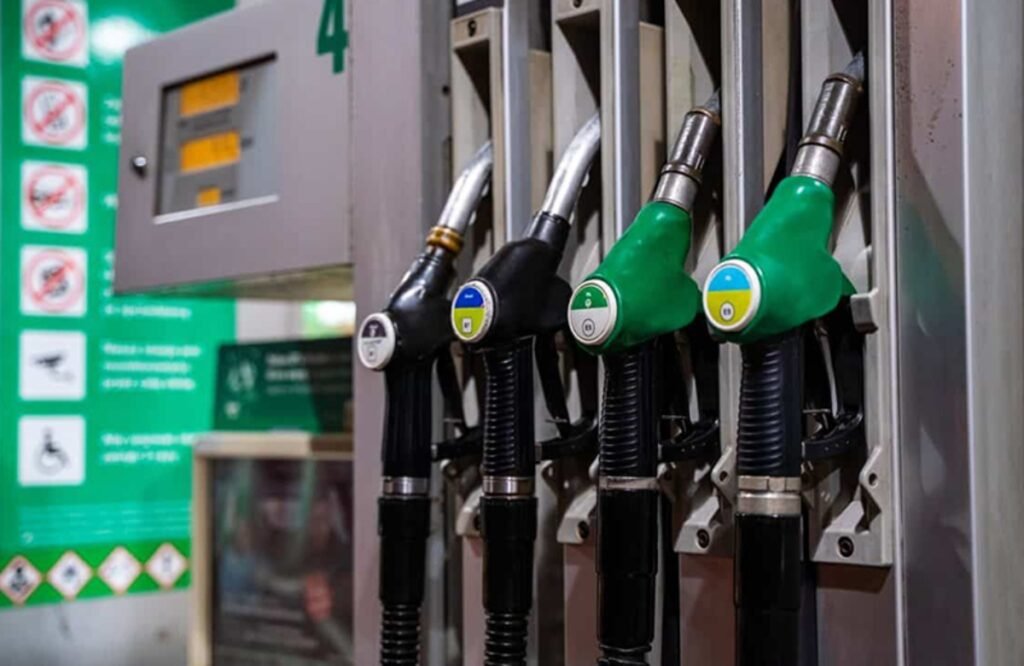
The President highlighted the role of the government-to-government fuel procurement arrangement, describing it as a strategic buffer against sudden global price shocks.
“This intervention has mitigated price increases, ensured security of supply, and proven to be both prudent and forward-looking,” he added.
The situation places policymakers in a delicate position: balancing the need to shield consumers from rising costs while preserving fiscal discipline and macroeconomic stability.



