




NAIROBI, Kenya — The Ethics and Anti-Corruption Commission (EACC) has warned religious leaders against accepting or legitimising illicit funds from politicians ahead of the 2027 General Election.
EACC Chairperson David Oginde cautioned that politicians who finance campaigns using proceeds of corruption, money laundering or unexplained wealth could later seek to reward their financiers through corrupt government dealings.
He warned that such politicians could use inflated tenders, manipulated procurement processes and other forms of corruption to repay individuals who funded their political campaigns.
“There is no way we are going to build a society of integrity if we are beneficiaries of illicit resources,” Oginde said.
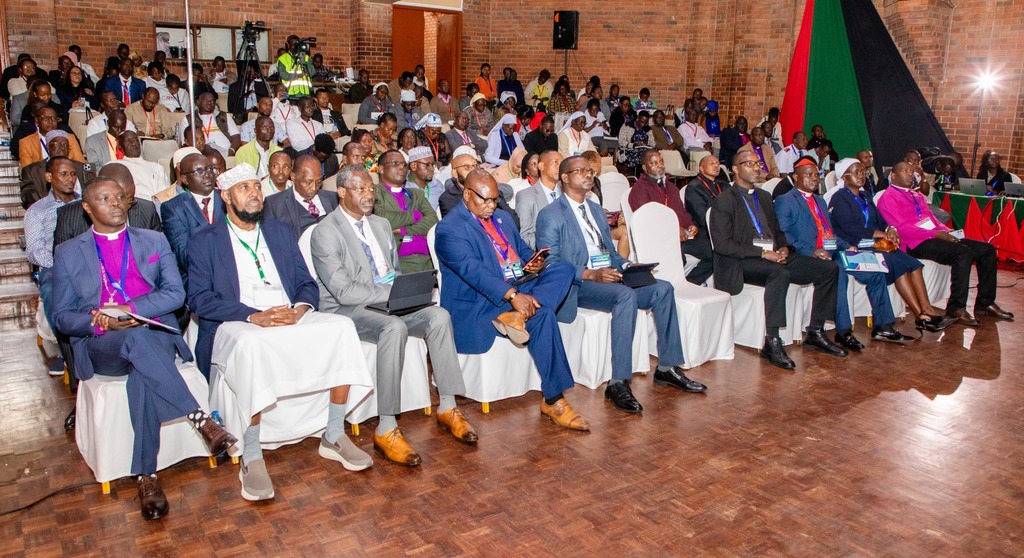
He was speaking during the National Stakeholders’ Convention at Ufungamano House in Nairobi, where he addressed delegates on the theme ‘Corruption and Politics in Kenya’.
EACC urges religious leaders to reject illicit funds
Oginde urged religious leaders to reject money whose source cannot be satisfactorily explained, warning that accepting such funds could contribute to the normalisation of corruption.
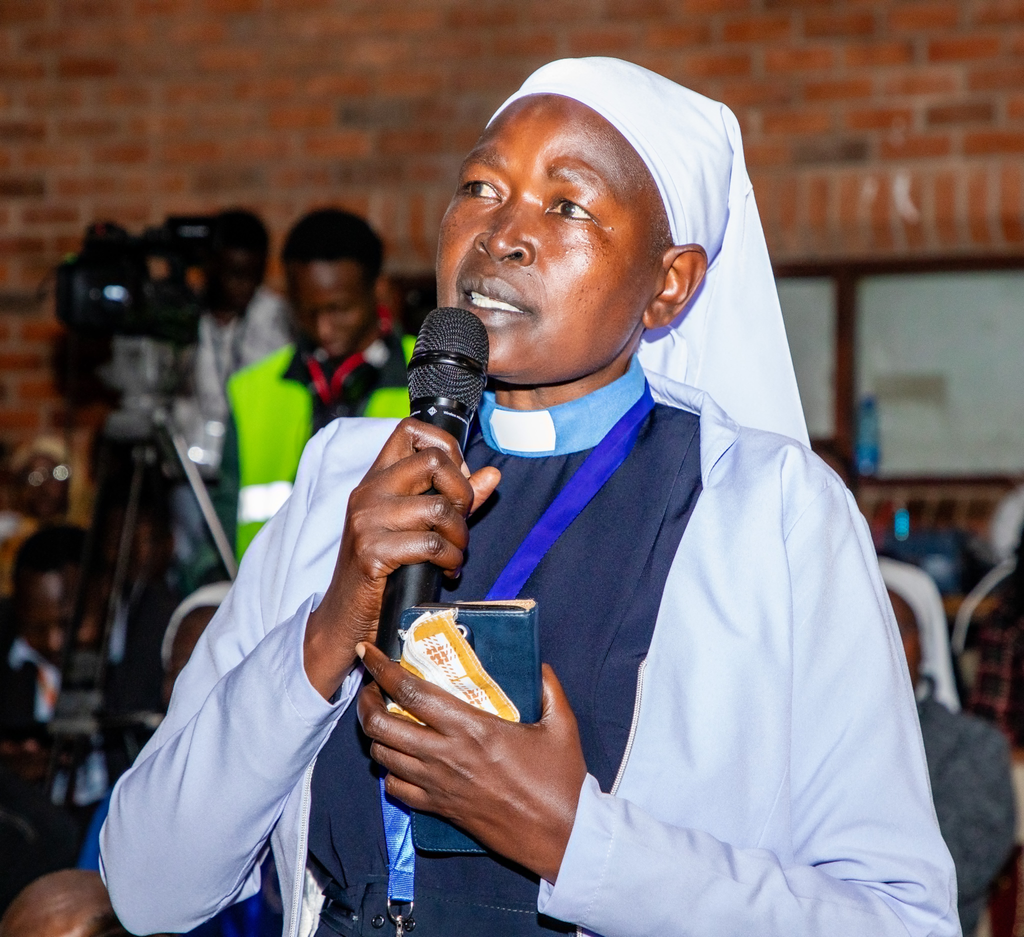
The convention brought together representatives from the National Council of Churches of Kenya (NCCK), the Kenya Conference of Catholic Bishops (KCCB) and the Supreme Council of Kenya Muslims (SUPKEM).
The EACC chairperson said religious institutions have an important role in promoting ethical leadership and should avoid becoming channels through which questionable funds are legitimised.
He urged religious leaders to exercise due diligence over donations and financial contributions, particularly during the politically charged period leading to the 2027 polls.
Oginde raises concern over money-driven politics
Oginde also expressed concern that election campaigns were increasingly being shaped by the financial strength of candidates rather than their leadership qualities, values and principles.
He said the use of illicit wealth in politics can give wealthy candidates an unfair advantage over competitors who may lack access to large amounts of money.
According to Oginde, this could ultimately deny voters the opportunity to choose leaders based on merit, integrity and their ability to serve the public.
The warning comes amid growing concerns over the influence of money in Kenya’s political landscape as politicians begin positioning themselves ahead of the 2027 General Election.
Political donations and corruption risks
The EACC has raised concerns that unexplained wealth and proceeds of corruption can be channelled into political activities, creating obligations that successful candidates may later seek to honour through access to public resources.
Oginde’s warning centred on the potential cycle in which illicit money is used to gain political influence and political power is subsequently used to generate further illicit wealth.
Such a cycle, he cautioned, risks weakening public institutions and undermining accountability in the management of public resources.
The concerns are particularly significant ahead of an election period when campaign spending, political fundraising and public appearances by aspiring leaders are expected to increase.
Churches increasingly feature in political campaigns
The warning also comes against the backdrop of an increasingly active political environment, with politicians attending church services and other religious gatherings as they seek to build relationships with voters ahead of the 2027 polls.
Large sums of money have also featured prominently in some political events, raising questions about the source of campaign funds and the role of religious institutions in political mobilisation.
Oginde’s remarks place religious leaders at the centre of the debate over how institutions should respond when politicians offer financial contributions whose origins may be unclear.
The EACC’s message is that accepting or publicly legitimising questionable funds can contribute to a culture in which corruption becomes normalised.
Integrity focus ahead of 2027 election
With political activity expected to intensify ahead of the next General Election, the commission is calling for stronger scrutiny of the sources of campaign financing and the conduct of political actors.
Religious leaders, according to the EACC, have a role to play in promoting integrity by ensuring that their institutions do not become avenues for laundering reputations or legitimising proceeds whose origins cannot be explained.

