




NAIROBI, Kenya — The Independent Electoral and Boundaries Commission (IEBC) has rejected allegations of an illegal voter registration scheme along the Kenya-Uganda border, saying claims that foreigners are being registered as Kenyan voters are unsubstantiated.
The controversy comes ahead of the 2027 General Election following an investigative report alleging that voter registration materials had been moved across the border and that some Ugandan nationals were being facilitated to acquire Kenyan identity documents and register as voters.
In a statement issued on Sunday, September 27, IEBC Chairperson Erastus Ethekon said the Commission had not received credible evidence supporting the allegations.
IEBC Rejects Voter Smuggling Claims
The Commission described the reports of electoral malpractice, illegal voter transfers and registration of foreigners as “unsubstantiated and untrue.”
IEBC said the allegations risk misleading the public and undermining confidence in preparations for the 2027 elections.
“To date no entity, organisation, group or individual has submitted to the Commission any credible evidence supporting any such allegations of illegality and malpractice,” the Commission said.
The response followed a KTN investigative report that alleged voter registration materials had been moved into Uganda, with the Suam border area in Trans Nzoia County featuring prominently in the allegations.
Claims Link Ugandans to Kenyan Voter Registration
The investigation included accounts alleging that some Ugandan nationals had been assisted to obtain Kenyan identification documents and subsequently register as voters.
One Ugandan national quoted in the report claimed that obtaining a Kenyan ID and voter registration had been made easy.
The allegations have not been independently established, and IEBC has rejected them for lack of credible evidence.
The Commission also clarified that it does not issue Kenyan national identity cards or passports.
Those documents are issued by state agencies responsible for identification, citizenship and immigration, while IEBC’s role is to register eligible Kenyan citizens who possess the required identification documents.
IEBC Explains How Voter Registration Works
IEBC said the ongoing voter registration exercise is being conducted across all 290 constituencies at designated and gazetted registration centres.
The process is supervised by Registration Officers and carried out by trained registration officials.
The Commission said it has administrative and technological safeguards intended to prevent unauthorised voter registration.
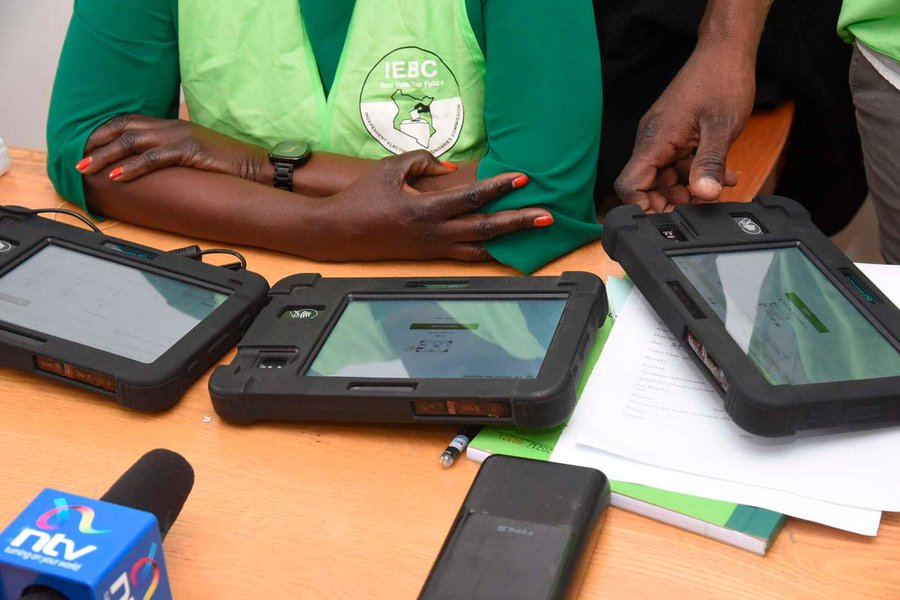
Its Kenya Integrated Elections Management System (KIEMS) kits are configured for use within authorised electoral environments, while Registration Officers can authorise trained Registration Clerks to operate the equipment using unique passwords.
The clerks are mapped to specific electoral areas, with registration restricted to gazetted centres.
IEBC Says No KIEMS Kits Were Moved to Uganda
IEBC also directly rejected claims that its voter registration equipment had been transported across the border.
The Commission said no KIEMS kit had been reported missing, intercepted or unlawfully moved to Uganda or another unauthorised foreign destination.
“All KIEMS kits are accounted for and remain in its lawful custody and under its exclusive control,” IEBC said.
The Commission said equipment used during the Enhanced Continuous Voter Registration exercise between March 30 and April 28, 2026, was secured at designated police stations or IEBC offices before being returned to its warehouses.
IEBC Promises Action If Evidence Emerges
Despite dismissing the allegations, IEBC said it would take action if credible evidence of malpractice is presented.
The Commission said this could include administrative or disciplinary measures, investigations into possible criminal conduct and prosecution where culpability is established.
IEBC has urged members of the public, media organisations and political groups with evidence of electoral irregularities to submit it to the Commission or relevant investigative agencies.
The dispute has also drawn attention from political actors, including leaders from counties bordering Uganda who have previously raised concerns about the integrity of voter registration in the region.
IEBC Expands Diaspora Voter Registration
The Commission also addressed registration of Kenyans living outside the country, including those in Uganda, Tanzania and South Sudan.
IEBC said living abroad does not remove an eligible Kenyan citizen’s constitutional right to participate in elections.
The Commission plans to expand diaspora voter registration from 12 countries in the 2022 election to 26 countries for the 2027 polls.
IEBC said the expansion is part of efforts to progressively facilitate eligible Kenyans living abroad to participate in the electoral process.


