




NAIROBI, Kenya — President William Ruto is expected to chair a high-level government meeting on fuel prices after returning from his visit to Azerbaijan, amid rising public anger over increased transport costs.
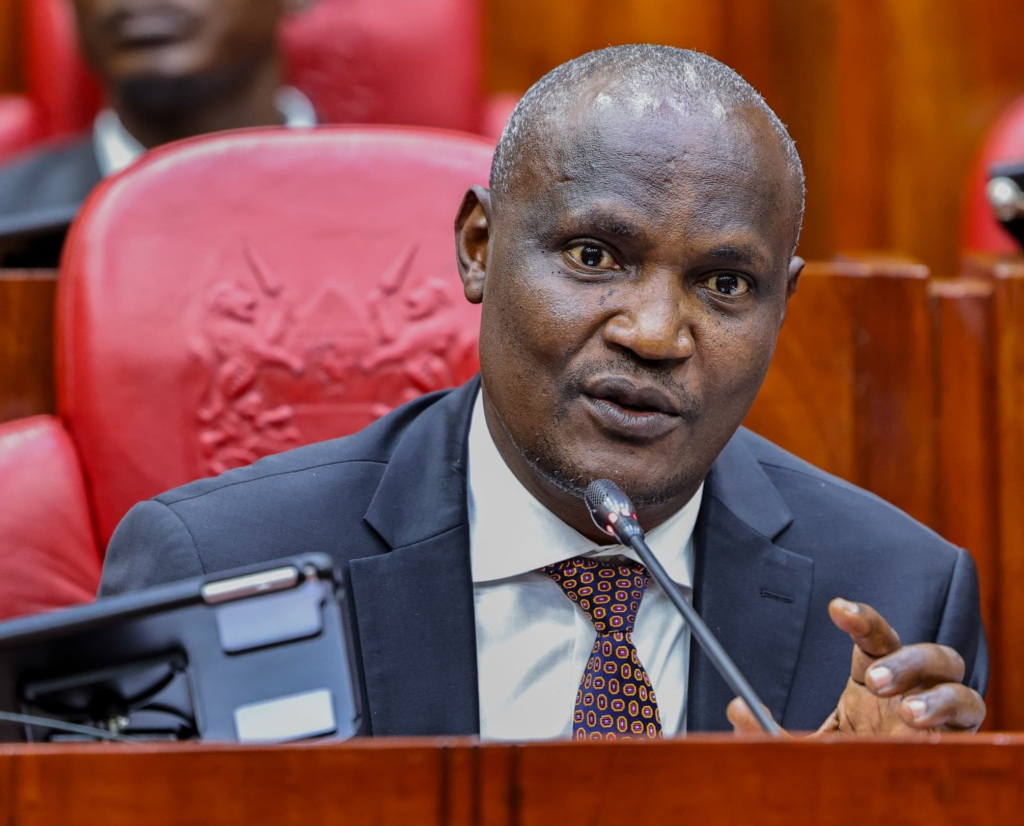
Treasury Cabinet Secretary John Mbadi confirmed on Monday that the government will review possible interventions to cushion Kenyans from soaring fuel prices.
“We can only hope that this war will end. But as we hope, we must make some decisions,” Mbadi said. “I am sure as a government we will sit again when the president comes back.”
Pressure mounts on fuel costs
Mbadi revealed that the government has already lost about Sh24 billion after reducing Value Added Tax (VAT) on petroleum products from 16 pc to 8 pc.
He further disclosed that the government has injected a fuel subsidy of Sh11.2 billion to stabilise prices.
According to him, without government intervention, fuel prices would be significantly higher.
“If we were to leave the prices without any intervention, diesel today would be costing not less Sh35 more, and petrol would be costing over Sh70 more,” he said.
Transport disruption across cities
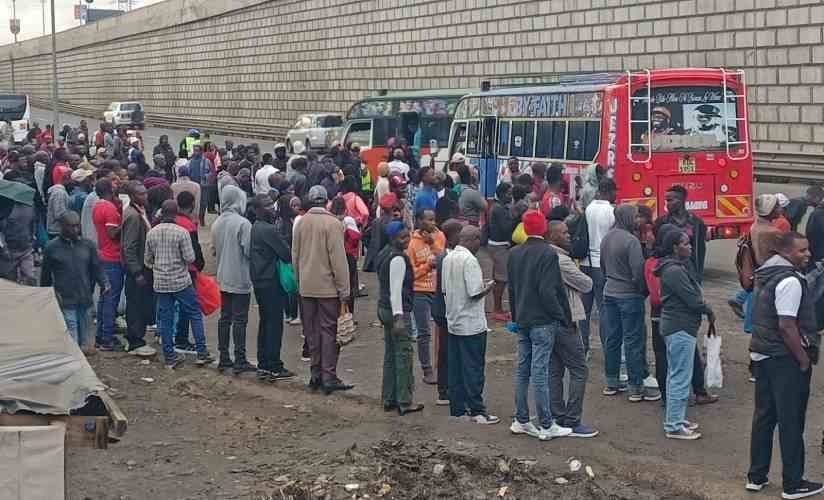
The announcement comes after a major transport disruption in Nairobi and other towns following a matatu strike that left thousands of commuters stranded.
Photos and videos circulating online showed long queues at bus stops as passengers struggled to access public transport. Many residents were forced to walk to work, while others relied on boda bodas.
The strike followed a nationwide protest notice issued by transport stakeholders under the Motorists Association of Kenya (MAK) and allied groups.
They accused the government and the Energy and Petroleum Regulatory Authority (EPRA) of imposing unfair fuel price hikes.
Fuel price hike triggers outrage
On May 14, EPRA announced a sharp increase in fuel prices, raising petrol by Sh16.65 per litre and diesel by Sh46.29 per litre.
The regulator said the new prices took effect from May 15, 2026, and would remain in force for 30 days.
In Nairobi, Super Petrol, Diesel, and Kerosene now retail at Sh214.25, Sh242.92, and Sh152.78, respectively.
Rising public pressure
Transport operators warned that continued increases in fuel prices are making public transport unsustainable. The strike paralysed movement across several urban centres.
Government officials now face pressure to balance global oil market shocks, fiscal constraints, and rising public frustration.
As the anticipated meeting approaches, attention is turning to whether the government will introduce fresh subsidies, tax adjustments, or long-term reforms in the fuel pricing structure.



