




PARIS, France – France has reported the world’s first documented human infection with the Shamonda virus after a severely immunocompromised patient died earlier this month, prompting investigations into how the infection occurred and whether it contributed to the death.
French health authorities announced the discovery on Thursday, October 22, 2026, saying the virus, previously detected in animals, had been identified in a patient receiving treatment for a serious underlying illness.
The authorities have sought to reassure the public, saying no health risk to the general population has been identified based on current scientific knowledge.
The European Centre for Disease Prevention and Control (ECDC) is monitoring the situation and working with French authorities and European partners to assess the potential public-health implications.
Investigations are continuing to establish how the patient contracted the virus and whether it caused or contributed to the death. The patient died in early October, according to the ECDC.

How the patient may have contracted the virus
French authorities said the leading hypothesis is that the patient was infected in eastern France, where Shamonda virus had circulated among animals during the spring and summer of 2026.
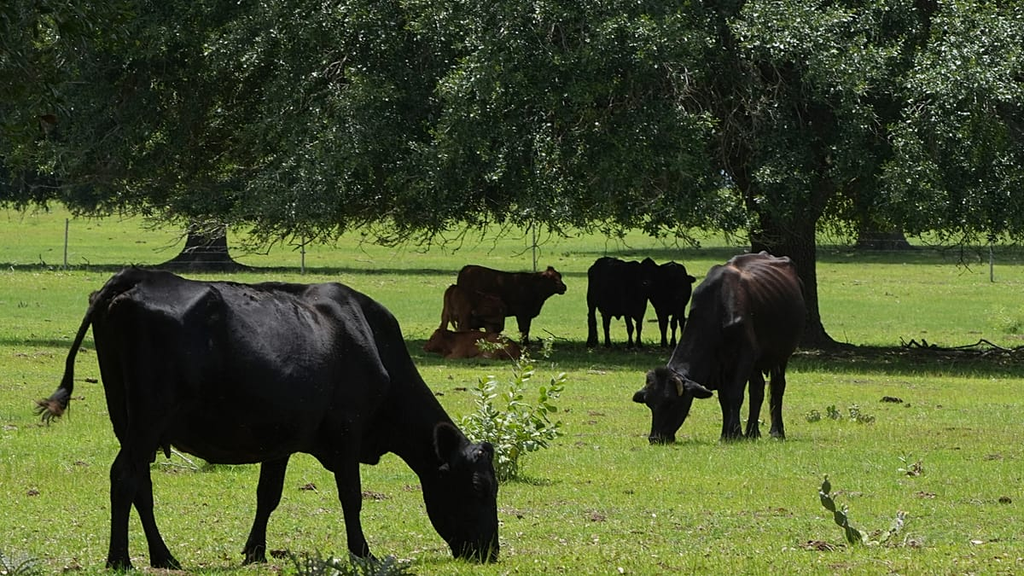
The virus is primarily associated with livestock, particularly cattle, and is transmitted by biting midges of the Culicoides genus. It has also been detected in sheep, goats, horses and alpacas.
The virus was first identified in Nigeria in the mid-1960s and had been reported sporadically in parts of Africa and Japan before its emergence in European livestock this year.
What is known about Shamonda virus?
Shamonda is an orthobunyavirus belonging to a group of viruses that includes pathogens affecting animals. In cattle, infection has been associated with symptoms such as fever, diarrhoea, lethargy and reduced milk production.
French agricultural authorities said the virus was detected in cattle farms in several departments from late July 2026. Its emergence in Europe has been reported in countries including France, Germany and Switzerland.
The newly reported human infection is significant because the virus had not previously been documented in humans. However, the circumstances of this case remain under investigation, and the available evidence does not establish that the virus caused the patient’s death.
No vaccine currently available
There is currently no commercially available vaccine against Shamonda virus, according to the World Organisation for Animal Health.
French authorities said there was no identified health risk to the general population based on what is currently known about the virus. Investigations into the human case are expected to help scientists better understand the infection and its possible implications for public health.

