




ARUSHA, Tanzania — The East Africa Law Society (EALS), together with regional bar associations and human rights organisations, has accused Ugandan authorities of undermining constitutional governance through alleged unlawful detentions, media shutdowns and interference with civilian institutions.
In a joint statement issued in Arusha on July 1, the organisations said recent developments in Uganda raise prima facie constitutional and statutory concerns affecting personal liberty, media freedom, the independence of the legal profession and the rule of law.
The statement was signed by the East Africa Law Society (EALS), national law societies across East Africa, the Pan African Lawyers Union (PALU), the International Commission of Jurists (ICJ Kenya), the Kenya Human Rights Commission (KHRC) and the East Africa Civil Society Organisations’ Forum (EACSOF).
Concern Over Detentions
The organisations expressed concern over what they described as credible reports of arbitrary detention involving senior lawyer and former Ethics and Integrity Minister Dr Miria Matembe, alongside earlier reported abductions involving Dr Sarah Bireete, Eunice Musiime and other activists.
They also cited the continued prosecution of senior advocate and former Kampala Lord Mayor Erias Lukwago.
According to the statement, the reported incidents raise questions about compliance with constitutional guarantees relating to personal liberty and due process.
The organisations argued that where individuals are deprived of liberty without publicly disclosed legal authority, confirmed custody or adherence to due process safeguards, constitutional concerns arise under Uganda’s Constitution and international human rights treaties, including the International Covenant on Civil and Political Rights (ICCPR) and the UN Convention Against Torture.
Media Shutdown Criticised
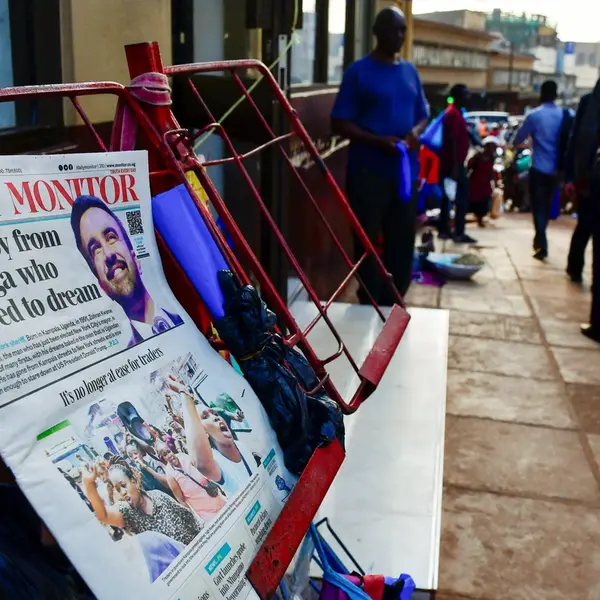
The legal bodies also criticised the reported disruption of operations at Nation Media Group Uganda, including NTV Uganda, Spark TV and the Daily Monitor.
They argued that the suspension of broadcasting operations and deployment of security personnel at media premises undermine constitutional protections for press freedom.
The statement further questioned whether the closures were authorised by the Uganda Communications Commission (UCC), noting that the Uganda Communications Act, 2013 vests regulatory authority over broadcasters exclusively in the communications regulator.
The organisations contended that any restriction on media operations must satisfy the legal requirements of legality, necessity, proportionality, procedural fairness and independent oversight.
They argued that actions taken outside that statutory framework could amount to an unlawful assumption of regulatory powers.
Military’s Role Questioned
The statement also raised concerns over what it described as increasing involvement by senior military officials in matters ordinarily reserved for civilian institutions.
The organisations cited public statements and social media posts attributed to Uganda’s Chief of Defence Forces, arguing that the military should remain subordinate to civilian authority as required under Article 208(2) of Uganda’s Constitution.
According to the statement, the Constitution establishes a clear separation between civilian governance and military command, with sovereignty vested in the people and regulatory powers exercised only through institutions established by law.
The organisations warned that any blurring of those constitutional boundaries risks undermining institutional legitimacy and public confidence in the rule of law.
Regional and International Obligations
The signatories further argued that Uganda remains bound by obligations under the East African Community Treaty, the African Charter on Human and Peoples’ Rights, the ICCPR, the UN Convention Against Torture, the UN Basic Principles on the Role of Lawyers, the UN Declaration on Human Rights Defenders and the African Declaration on Principles on Freedom of Expression and Access to Information.
They said those instruments require governments to uphold due process, protect journalists, lawyers and human rights defenders, maintain independent regulatory institutions and provide effective remedies for rights violations.
Calls to Ugandan Authorities
While emphasising that they were not determining liability or adjudicating the facts surrounding individual cases, the organisations said they were fulfilling their mandate by identifying constitutional concerns arising from the reported developments.
They urged the Government of Uganda to:
- Immediately disclose the legal basis, location and status of all detained persons.
- Ensure detainees have prompt access to lawyers, family members and medical care.
- Restore the operations of affected media houses.
- Reaffirm the Uganda Communications Commission’s exclusive regulatory mandate.
- End any non-statutory interference in civilian regulatory functions.
- Reaffirm civilian supremacy under Article 208(2) of the Constitution.
- Establish independent, transparent and time-bound investigations into alleged violations.

