




MOMBASA, Kenya — Kenya’s policy of providing free maternity care to teenage mothers is necessary but ultimately amounts to “damage control,” a senior Ministry of Health official has said, warning that rising teenage pregnancies and HIV infections among young people continue to expose deep gaps in prevention and reproductive healthcare.
Speaking during the 9th Pan-African Adolescent and Youth Sexual and Reproductive Health and Rights (AYSRHR) Scientific Conference in Mombasa, Head of the Family Health Department at the Ministry of Health, Dr Bashir Issak, said the country must shift greater focus toward preventing adolescent pregnancies rather than only responding after they occur.
“Any young woman who walks into a public health facility in Kenya to give birth does so free of charge. No bill, no deposit, no turning away. But this is damage control. Could we have prevented that at a lower cost?” Dr Issak told more than 1,500 delegates from over 40 countries.
The conference, organised by the Reproductive Health Network Kenya (RHNK) in partnership with the Ministry of Health, the National Council for Population and Development, and the Government of Uganda, focused on adolescent sexual and reproductive health challenges across Africa.
Dr Issak painted a stark picture of the situation facing Kenyan youth. He said 15 per cent of girls aged between 15 and 19 are either pregnant or already mothers, with the figure reaching 50 per cent in Samburu County. He further noted that 41 per cent of new HIV infections recorded in Kenya in 2025 occurred among young people aged 15 to 24, while mother-to-child HIV transmission increased from 7.3 per cent to 9.3 per cent.
“These are not gaps in statistics. They are gaps in survival,” he said.
The official acknowledged progress made by the government, including enrollment of more than 30 million Kenyans under the Social Health Authority (SHA), deployment of 107,000 community health promoters, and the rollout of the Every Woman, Every Newborn, Everywhere (EWENE) initiative to track maternal and newborn outcomes.
“These are not small things. But I will not stand here and pretend they are enough. They are not,” he said.
Dr Issak identified stigma, cost, distance, lack of youth-friendly services, and negative community attitudes toward contraception as major barriers preventing adolescents from accessing healthcare.
“These barriers are not natural. They were built. And what was built can be dismantled,” he said, while urging greater involvement of communities, religious leaders, the private sector, and young people themselves.

FP2030 Executive Director Dr Samukeliso Dube echoed the concerns, saying inadequate investment in adolescent reproductive health continues to fuel maternal deaths across Africa.
“We are running a continent on luck and hope,” she said, warning that unintended teenage pregnancies remain a major driver of maternal mortality.
RHNK Executive Director Nelly Munyasia announced the launch of a new adolescent consent referral framework developed with the Kenya Judiciary Academy, healthcare providers and youth representatives.
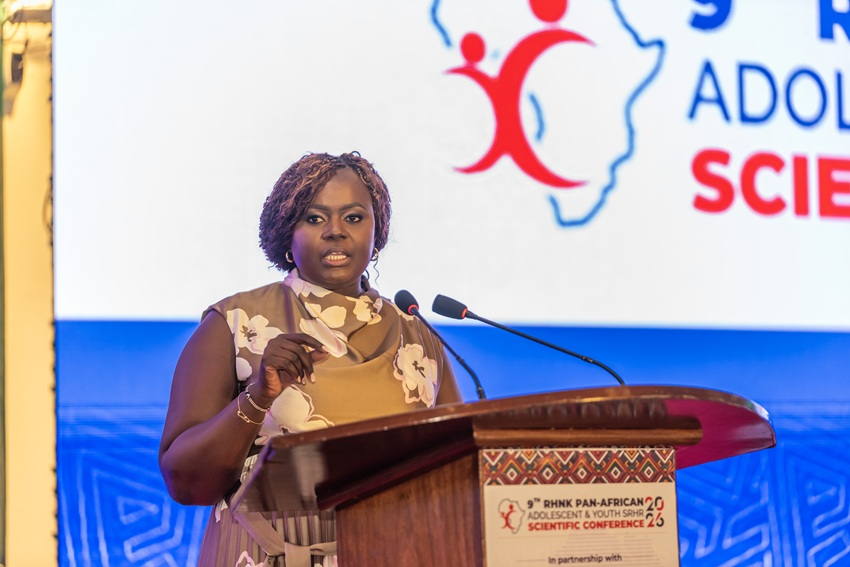
The framework seeks to provide guidance on adolescents’ access to reproductive health services, an issue that has generated legal and policy debate across the continent.
Speakers at the conference repeatedly stressed that young people must be directly involved in shaping policies affecting their lives. Dr Issak said meaningful youth participation was essential if governments hope to reverse rising rates of adolescent pregnancy, HIV infections and gender-based violence.
“This government wants you in the room when decisions are made,” he told young delegates. “Not consulted after the fact. Not represented by adults who speak on your behalf without asking what you think.”


