




NAIROBI, Kenya — Kenya has heightened national Ebola preparedness measures and placed 22 counties on high-risk alert following the regional outbreak of the Bundibugyo strain of Ebola Virus Disease (EVD) in neighbouring countries.
The Ministry of Health said Friday that three suspected Ebola cases tested negative, even as the government intensified surveillance and emergency response systems to prevent possible cross-border transmission.
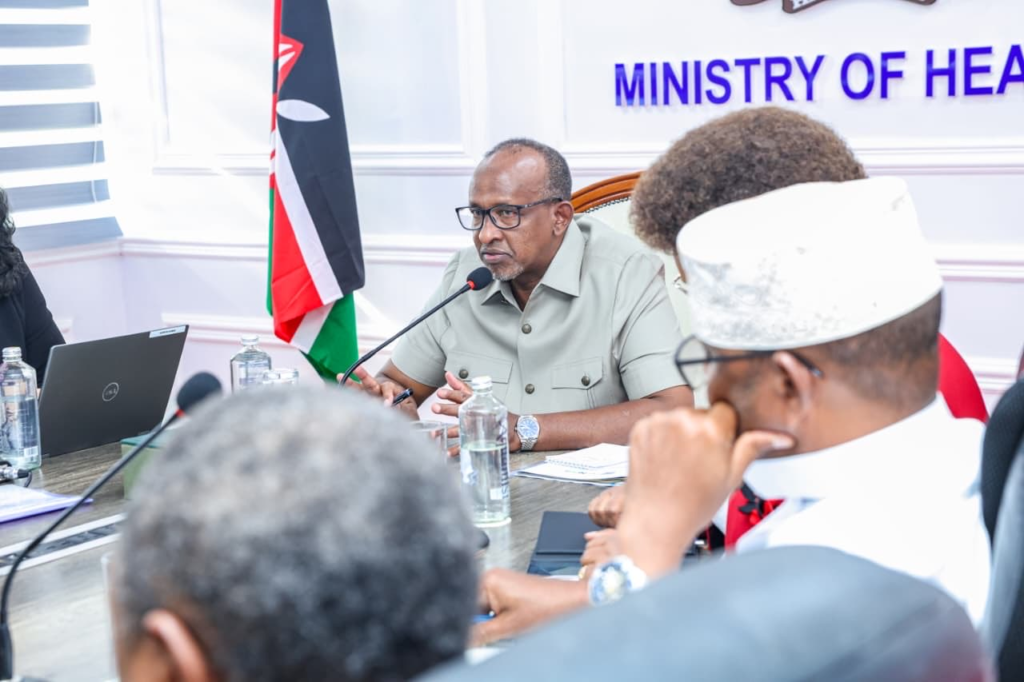
Health Cabinet Secretary Aden Duale chaired a high-level preparedness meeting bringing together health officials, county representatives, and international development partners to review the country’s readiness.
In a statement, the Ministry said the government had activated emergency coordination structures under the Kenya National Public Health Institute (KNPHI) through the National Incident Management System.
“Kenya has heightened national preparedness and emergency response measures following the regional outbreak of the Bundibugyo strain of Ebola Virus Disease,” the Ministry stated.
The renewed alert follows the declaration by the World Health Organization (WHO) of the Ebola outbreak in Uganda and the Democratic Republic of Congo as a Public Health Emergency of International Concern. Africa CDC has also classified the outbreak as a Public Health Event of Continental Security.
The Ministry said enhanced screening had been rolled out at high-risk points of entry, including airports and border crossings. Isolation and holding facilities have also been activated in designated referral hospitals and border locations.
Additionally, Kenya’s four national reference laboratories are operating on a 24-hour basis to strengthen testing capacity and speed up diagnosis.
Authorities announced that a large-scale cross-border simulation exercise would be conducted in Busia next week to test operational readiness and improve coordination in the event of a confirmed outbreak.
The government is also scaling up public sensitisation campaigns targeting healthcare workers, transport operators, border communities, and other vulnerable groups.
Duale called for increased support towards emergency financing, particularly for personal protective equipment, diagnostics, and border screening infrastructure.
He further urged stronger collaboration between national and county governments, saying preparedness efforts must include improved specimen transportation systems, continuous training for frontline workers, and enhanced risk communication.
“The country remains committed to regional collaboration, transparency, and adherence to International Health Regulations,” Duale said.
The Ministry also acknowledged support from key development partners, including the WHO, Africa CDC, US CDC, UNICEF, Kenya Red Cross, AMREF, and the International Organization for Migration (IOM).
The Bundibugyo strain of Ebola is one of the less common Ebola virus strains but remains highly dangerous, with symptoms including fever, bleeding, vomiting, and severe weakness. Ebola spreads through direct contact with infected bodily fluids and contaminated materials.
Health officials have urged the public to remain calm but vigilant, report suspected cases immediately, and observe hygiene and public health guidelines as preparedness efforts continue nationwide.



