




MOMBASA, Kenya — A 27,839-metric-tonne consignment of raw sugar imported by Mombasa Sugar Refineries Limited (MSRL) has been withheld at the Port of Mombasa after a government multi-agency team flagged an unexplained excess of 1,481 metric tonnes, raising fresh concerns over transparency in Kenya’s sugar import regime.
The shipment, linked to Kisumu-based Kibos Sugar and Allied Industries Limited, is now at the centre of a high-stakes dispute involving multiple state agencies, including the Kenya Ports Authority and the Kenya Revenue Authority, following verification exercises conducted across Mombasa, Nairobi, and Kisumu.
According to a report by the Multi-Agency Team (MAT), the discrepancy was identified through a KPA OutTurn Report, which indicated that the cargo offloaded at port exceeded declared quantities by 1,481 tonnes.
Under import conditions, MSRL is required to account for any excess and secure clearance through the Kenya Trade Network Agency and integrated customs systems before release.
MSRL has formally disputed the figures, triggering a reconciliation process involving the company, KPA, and KRA.
Pending resolution, the consignment remains detained at a container freight station in Mombasa, with demurrage costs expected to mount.
Beyond the numerical dispute, MAT inspections revealed operational irregularities. At the port, investigators found sugar bags packaged in varying weights between 46 and 49 kilograms, deviating from standard uniform packaging practices.
However, all bags were marked “NOT FIT FOR HUMAN CONSUMPTION,” in line with regulatory requirements.
At MSRL’s processing facility in Kisumu, the team confirmed that the plant has adequate capacity to handle, store, and process the consignment, satisfying a key condition for eventual clearance.
Verification was also conducted at the Nairobi Freight Terminal as part of a full supply chain assessment.
Despite MSRL signing a binding compliance declaration on March 27, 2026—committing to strict regulatory oversight—the cargo has not been released.
The declaration, overseen by the Kenya Sugar Board, outlines a rigorous 15-point compliance framework designed to prevent diversion.
The conditions impose what officials describe as “cradle-to-grave” monitoring, including mandatory CCTV surveillance, real-time production tracking, and strict transport controls using the Standard Gauge Railway (SGR) and RECTS-enabled trucks under convoy.
The refined sugar is restricted to industrial buyers only, with any breach attracting penalties including seizure, tax recovery, and possible prosecution.
“The conditions reflect heightened vigilance in a sector vulnerable to abuse,” said an industry source familiar with the process, though official comment from MAT agencies was not immediately available.
The case now hinges on the outcome of the reconciliation process. If the discrepancy is resolved in MSRL’s favour, the sugar could be released under strict supervision.
However, if the excess is confirmed as undeclared, the company may face additional tax assessments, seizure of the surplus, or legal action.
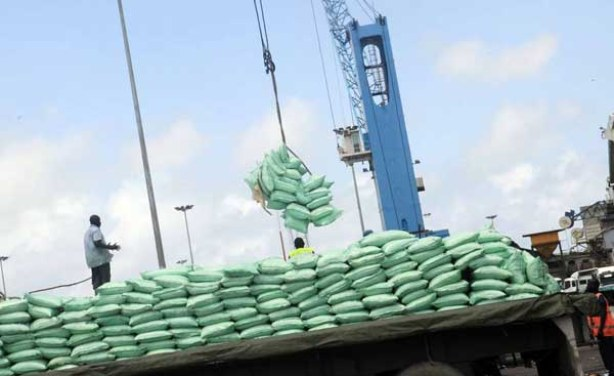
A prolonged dispute could also see the consignment remain at the port, escalating financial pressure on the importer through storage and demurrage charges.
The standoff underscores broader structural concerns within Kenya’s sugar industry, where illicit diversion of duty-free industrial sugar has historically undermined local producers and cost the government billions in lost revenue.
The involvement of at least nine agencies, including KRA, KPA, Kenya Bureau of Standards, KenTrade, and the National Police Service, signals the level of institutional concern and the political sensitivity surrounding the consignment.
As MAT leadership weighs its next steps, the outcome of the MSRL case is likely to set a precedent for enforcement in Kenya’s tightly regulated sugar import sector, with implications for both industry players and fiscal policy.


