




NAIROBI, Kenya — A petroleum firm linked to the late Raila Odinga has secured a share in Kenya’s government-to-government (G-to-G) fuel import arrangement, placing the politically sensitive supply programme under renewed scrutiny.
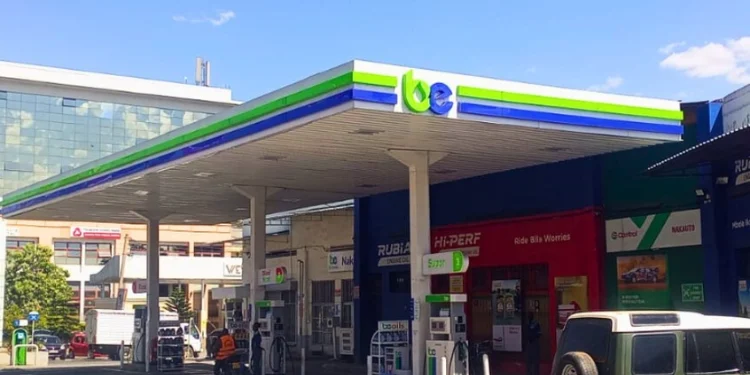
A report indicates that BE Energy, in which the Odinga family is reported to hold a 35pc stake, is among local oil marketers recently allocated cargo under the G-to-G supply framework.
The arrangement allows selected Kenyan firms to import petroleum products sourced through long-term credit agreements with Gulf-based suppliers.
The development introduces a politically notable dimension to the programme, which has previously drawn criticism from Odinga and other opposition figures over transparency and pricing concerns.
The inclusion of a firm linked to his family is likely to intensify debate over fairness and governance in the fuel import system.
Kenya adopted the G-to-G fuel deal to stabilise supply and ease pressure on foreign exchange reserves by allowing oil to be imported on credit.
Under the arrangement, selected Gulf national oil companies supply petrol, diesel, and jet fuel, with payments staggered over several months through letters of credit issued by commercial banks.
The system replaced the Open Tender System, where marketers competed monthly to import fuel using upfront dollar payments. Authorities argued the shift would reduce demand for hard currency, stabilise the shilling, and prevent supply disruptions.
However, the programme has faced recurring scrutiny over limited participation by marketers, pricing concerns, and questions about the allocation of cargoes.
Industry stakeholders have also raised concerns about market concentration and whether the arrangement creates advantages for selected players.
The inclusion of BE Energy, they note, underscores the need for clear disclosure mechanisms to avoid perceptions of political influence in a sector central to the economy.
The fuel import system directly affects pump prices, inflation, and transport costs across the country.
Any perception of preferential access to cargoes can trigger political contestation, particularly as fuel costs remain a sensitive public issue.
The report comes amid broader scrutiny of Kenya’s petroleum supply chain, including disputes over fuel quality, delayed cargoes, and financing arrangements tied to the G-to-G structure.
These developments have heightened calls for parliamentary oversight and regulatory clarity.
The Energy and Petroleum Regulatory Authority and the Ministry of Energy and Petroleum have previously defended the arrangement, saying it has improved supply stability and reduced volatility in the foreign exchange market.
Officials maintain that participation is based on commercial capability and compliance with regulatory requirements.


