




NAIROBI, Kenya- For years, the U.S.–Kenya relationship has been closely associated with development assistance, particularly in health and other areas of public development.
But increasingly, the language around the relationship is changing.
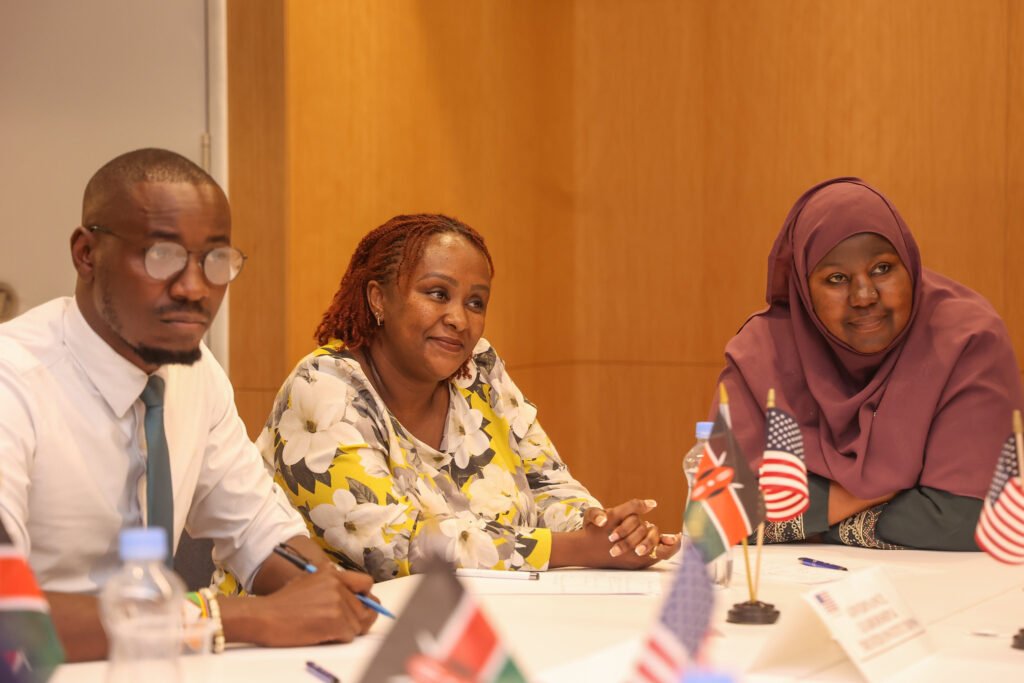
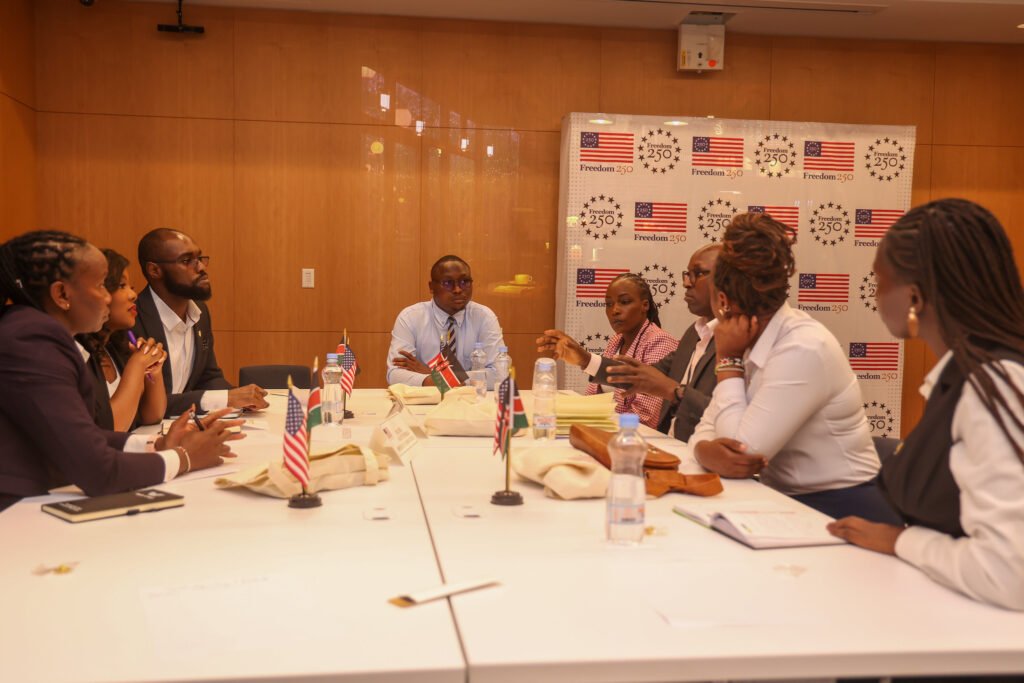
At a recent U.S.–Kenya Networking and Partnership event in Nairobi, Kenyan stakeholders from technology, media, education, sports, film and animation, health, policy and other sectors gathered to discuss where the strongest opportunities for collaboration now lie.
A recurring question was whether the relationship is moving from aid towards trade and investment and what that actually means for Kenya.
U.S. representatives at the roundtable emphasised that the United States remains engaged in Kenya, but that there is growing emphasis on trade, investment and partnerships that can create opportunities for businesses in both countries.
The shift is taking place against an already significant commercial relationship. U.S. goods and services trade with Kenya was estimated at $3.4 billion in 2025, according to the Office of the United States Trade Representative.
The question now is whether that relationship can grow beyond traditional development assistance into a broader commercial partnership.
Looking beyond aid
The change does not mean that U.S. engagement in Kenya has disappeared.
In health, for example, the two governments have established a five-year Health Cooperation Framework expected to mobilise approximately $1.6 billion.
The framework focuses on strengthening Kenya’s health systems and local capacity, while moving towards greater domestic financing and ownership.
At the roundtable, U.S. representatives stressed that the United States is still engaged in Kenya, while encouraging Kenyan businesses to look more deliberately at trade and investment opportunities.
One example discussed was SelectUSA, the U.S. government’s programme for facilitating foreign investment into the United States.
For Kenyan companies, this means the relationship is not necessarily only about attracting American companies to Kenya. Kenyan businesses can also look outward and explore opportunities in the U.S.
Where are the opportunities?
The discussions pointed to opportunities across technology, education, healthcare, sports, agriculture and the creative economy.
In technology and artificial intelligence, Kenyan companies are developing products aimed at local problems, including assistive technologies.
AI solutions for sign-language interpretation and other accessibility applications could benefit from investment and partnerships that allow them to move beyond the development stage.
There is also an opportunity in education technology.
Kenyan innovators are developing EdTech solutions, but the cost of infrastructure and scaling remains a challenge. With the right financing and partnerships, some of these products could potentially serve markets beyond Kenya.
The creative economy presents another opportunity.
Film, animation and other Kenyan content require investment not only in productions but also in talent development.
Supporting student films, emerging filmmakers and animation artists could help create intellectual property capable of competing in regional and international markets.
Sports is another area where Kenya’s existing strengths could attract investment. Major sporting events create opportunities in sponsorship, branding, sports tourism, merchandise, ticketing, stadium infrastructure, marketing and media rights.
But can Kenyan businesses take advantage?
That is perhaps the more difficult question.
Opening the door to trade does not automatically mean that Kenyan companies will be able to walk through it.
Participants raised concerns about practical barriers that can prevent businesses, professionals and creatives from participating fully in international opportunities. Visa restrictions were one of the issues discussed.
For Kenyan entrepreneurs and creatives, the ability to travel for meetings, conferences, performances and business opportunities can determine whether a partnership succeeds or never gets off the ground.
There were also questions about standards and local production, particularly in agriculture. One concern raised was the difference between standards applied to products destined for export markets and those consumed locally.
This raises a wider question for Kenya: Can international trade requirements be used to strengthen domestic production rather than simply create a small group of companies capable of meeting export standards?
That would require investment in technology, training, standards, infrastructure and policy.
Building partnerships, not just markets
There was also a concern about how international investment is perceived locally.
American companies entering Kenya can bring capital, technology, expertise and access to international markets. But Kenyan businesses also want to see opportunities for local participation.
The concern is not necessarily about foreign companies entering the Kenyan market. It is about whether that investment creates space for Kenyan companies, entrepreneurs and professionals to grow alongside them.
A successful trade relationship would therefore need to go beyond a simple buyer-and-seller model.
It could involve American companies partnering with Kenyan firms, transferring skills and technology, investing in local production and helping Kenyan businesses reach international markets.
The U.S. and Kenya have had a Strategic Trade and Investment Partnership since 2022, with the stated objective of increasing investment and promoting sustainable and inclusive economic growth.
The emerging relationship therefore presents opportunities, but also places responsibilities on both sides.
For the United States, it means ensuring that Kenyan businesses can genuinely access opportunities and that investment creates meaningful local partnerships.
For Kenya, it means building companies capable of competing, improving standards, strengthening institutions and creating an environment where investment can produce lasting value.
The opportunities discussed in Nairobi—from AI and EdTech to healthcare, agriculture, sports and the creative economy—suggest that the market exists.
The harder question is whether Kenya can build enough capacity to take advantage of it.
That may ultimately determine whether the much-discussed shift from aid to trade becomes a slogan or a genuinely new chapter in U.S.–Kenya relations.


