




NAIROBI, Kenya – Directorate of Criminal Investigations (DCI) and the United States Drug Enforcement Administration (DEA) have signed a new cooperation agreement aimed at strengthening intelligence sharing, financial investigations and joint efforts to disrupt international drug trafficking networks.
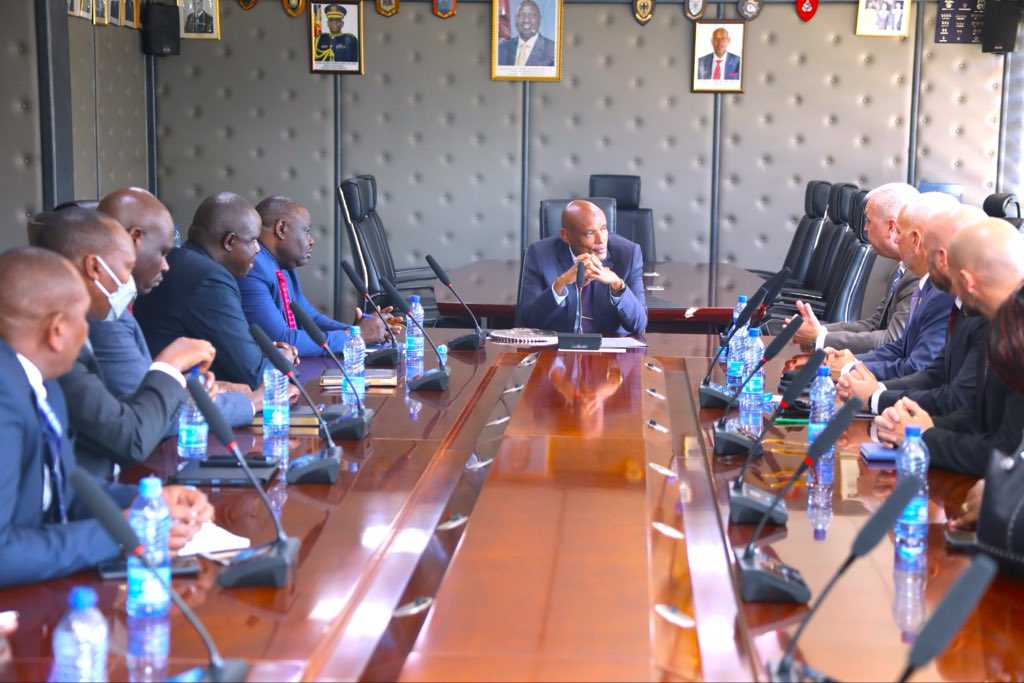
The Memorandum of Cooperation, signed on Thursday, October 22, 2026, formalises a fresh phase of collaboration between the two agencies as authorities seek to tackle criminal networks operating across national borders.
DCI Director Mohamed I. Amin said drug trafficking remained a major threat to public health, national security and community welfare, requiring coordinated investigations and intelligence-led operations involving law enforcement agencies in different countries.
He said the agreement would strengthen information sharing, improve investigative capacity and support the use of modern techniques to respond to increasingly complex forms of organised crime.
The agreement was signed alongside DEA Acting Special Agent in Charge Christopher A. Dziedzic, who said the partnership would improve the effectiveness of investigations and advance the agencies’ shared objectives.
Financial investigations among key priorities
Under the cooperation framework, the DCI and DEA intend to deepen collaboration in intelligence-led investigations, financial investigations and the application of modern investigative techniques.
The focus on financial investigations is significant because drug trafficking networks often rely on financial channels to move proceeds, conceal transactions and sustain criminal operations across borders.
The agencies said stronger cooperation would help investigators share relevant information and coordinate responses to emerging threats.
However, the announcement did not disclose a new funding package, specific operational targets or details of planned arrests and seizures.
Partnership builds on existing anti-narcotics cooperation
The latest agreement builds on an established working relationship between Kenya’s investigators and their American counterparts.
In July 2026, the DCI received operational vehicles donated by the US DEA through the US Embassy in Nairobi. The vehicles were intended to strengthen the operational mobility of the DCI’s Anti-Narcotics Unit, including surveillance, rapid response and nationwide investigations.
The two agencies have also held discussions on intelligence sharing, training, forensic capabilities and joint initiatives targeting drug distribution and consumption. A November 2024 meeting between DCI Director Amin and senior DEA leadership reaffirmed the importance of cooperation against narcotics trafficking and transnational organised crime.
The new memorandum provides another framework for strengthening that relationship, although its detailed implementation arrangements were not outlined in the announcement.
Why cross-border cooperation matters
Drug trafficking networks can operate across several jurisdictions, making investigations more complicated when suspects, financial transactions, evidence and shipments are spread across different countries.
Cooperation between national law enforcement agencies can help investigators exchange intelligence, trace suspected proceeds and coordinate inquiries that would be difficult to complete through domestic investigations alone.
The DCI said the agreement reinforces Kenya’s commitment to international law enforcement partnerships aimed at dismantling criminal networks and bringing those responsible for drug-related offences to justice.
Also present at the signing ceremony were DCI Deputy Director John Onyango, DEA Country Attaché Karl Ash, Special Agent Advisor Scott Jenkins and senior officers from the Kenyan investigative agency.


