




NAIROBI, Kenya — Interior Cabinet Secretary Kipchumba Murkomen has dismissed claims of a parallel command structure within the National Police Service (NPS), insisting that all police units operate under the authority of Inspector-General Douglas Kanja.
Murkomen said the Constitution gives the Inspector-General operational command of the Service, including responsibility for investigations, promotions and deployments.
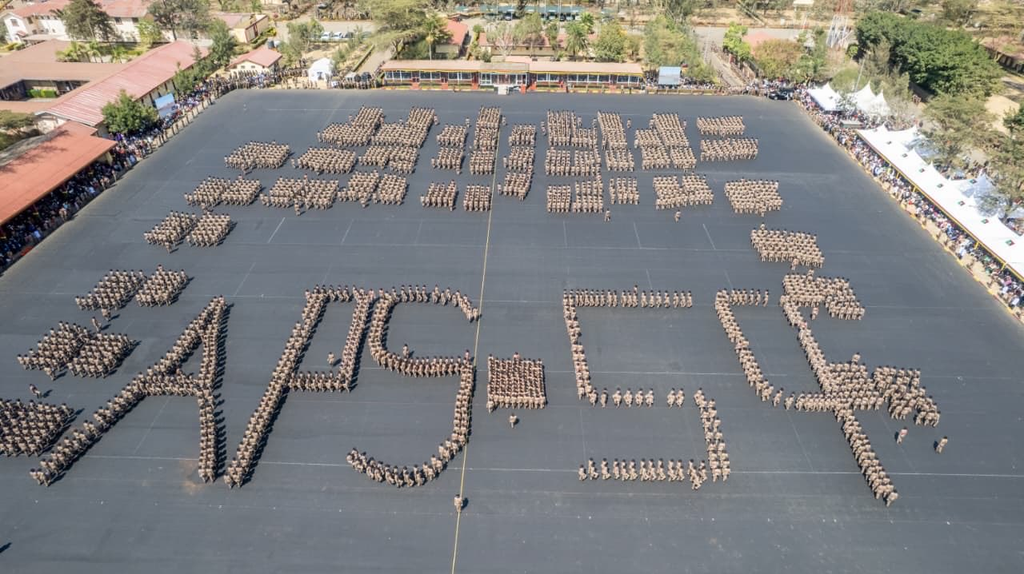
He spoke on Friday, September 4, 2026, during the 59th passing-out parade of Administration Police Service recruits at the National Police College, Embakasi ‘A’ Campus in Nairobi.
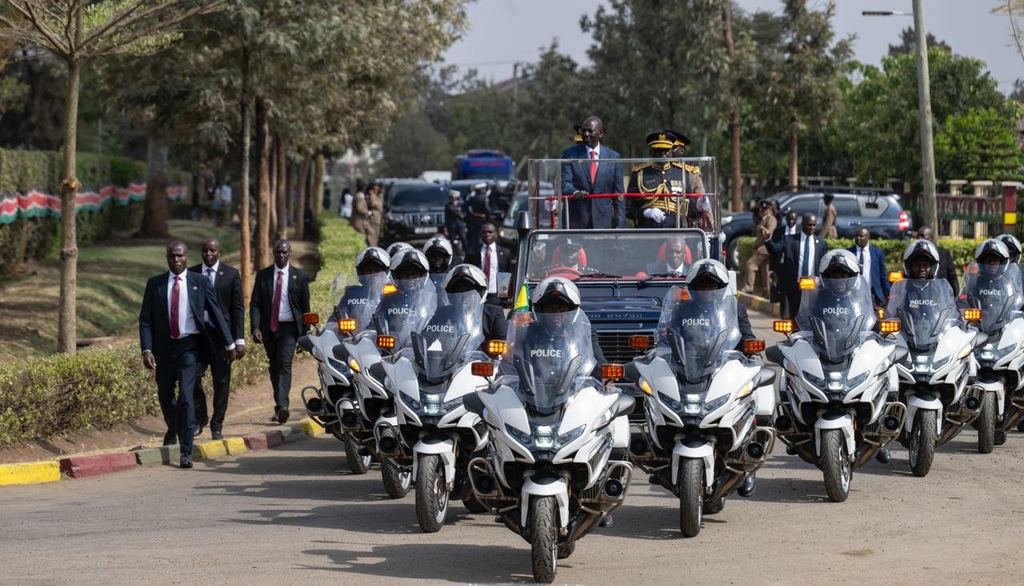
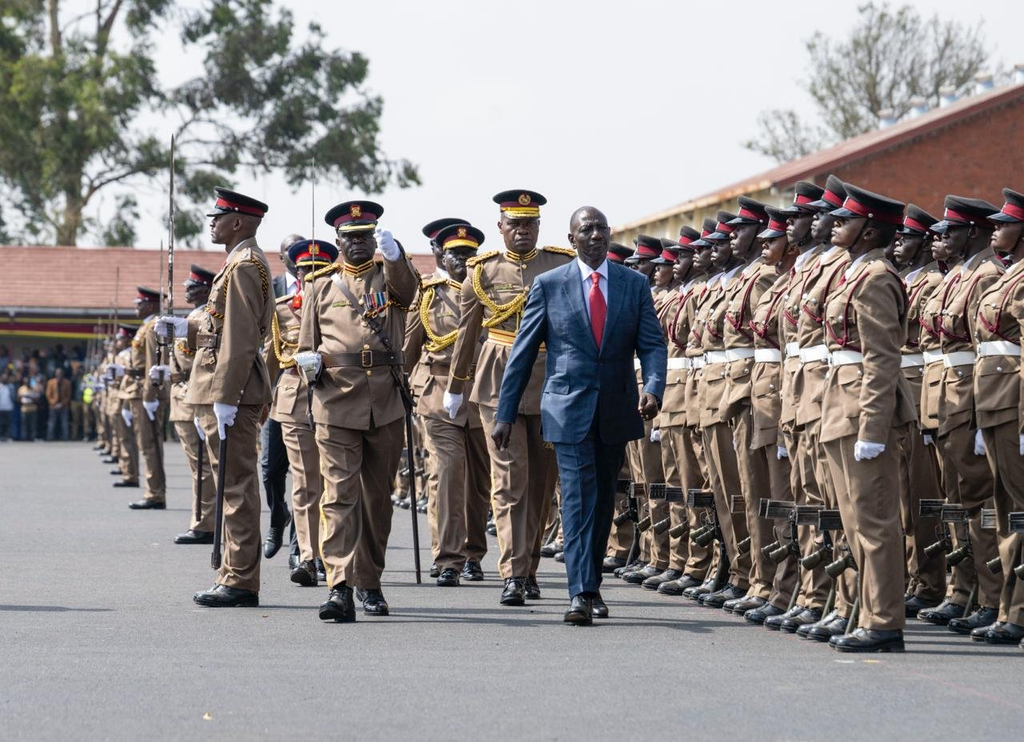
The ceremony was presided over by President William Ruto and marked the completion of nine months of training by thousands of new police officers.
Murkomen backs Kanja
Murkomen dismissed suggestions that some police units operate outside the command of the Inspector-General, describing such claims as “false propaganda.”
He said he had confidence in Kanja and the leadership of the National Police Service, insisting that the Inspector-General remained firmly in charge of the Service.
“The Inspector-General remains firmly in charge,” Murkomen said.
The CS explained that the Interior Ministry provides policy direction to the police through written instructions, while operational decisions and the day-to-day running of the Service remain the responsibility of the Inspector-General.
His remarks come amid renewed public debate over police command and accountability, with questions being raised over whether some security operations could be conducted outside the formal structures established by law.
Murkomen maintained that the Government is committed to protecting the operational independence of the National Police Service from external interference.
Constitution gives IG operational command
Murkomen said the constitutional framework clearly establishes the Inspector-General as the officer responsible for exercising command over the National Police Service.
That authority extends to operational matters, including investigations, deployments and promotions, he said.
The distinction between policy direction and operational command, according to the CS, means that the Ministry of Interior can provide policy guidance without taking over the day-to-day running of the police.
He said policy instructions from the Ministry are issued in writing, reinforcing what he described as a formal chain of responsibility within the security sector.
The statement was intended to dispel claims that parallel structures or unofficial units could exercise police powers outside the Inspector-General’s authority.
Police reforms continue
Murkomen also used the passing-out ceremony to highlight ongoing reforms within the National Police Service.
He said the Government was implementing recommendations of the Maraga-led National Taskforce on Police Reforms, with the objective of building a professional, properly equipped and people-centred police service.
Police training has been a key component of the reform programme.
The curriculum now places greater emphasis on human rights, constitutionalism and respect for the rule of law, with recruits expected to understand that policing involves protecting citizens’ rights while enforcing legislation.
The Government has also increased investment in police welfare, including medical care, remuneration, housing and mental health support.
Police salaries and welfare
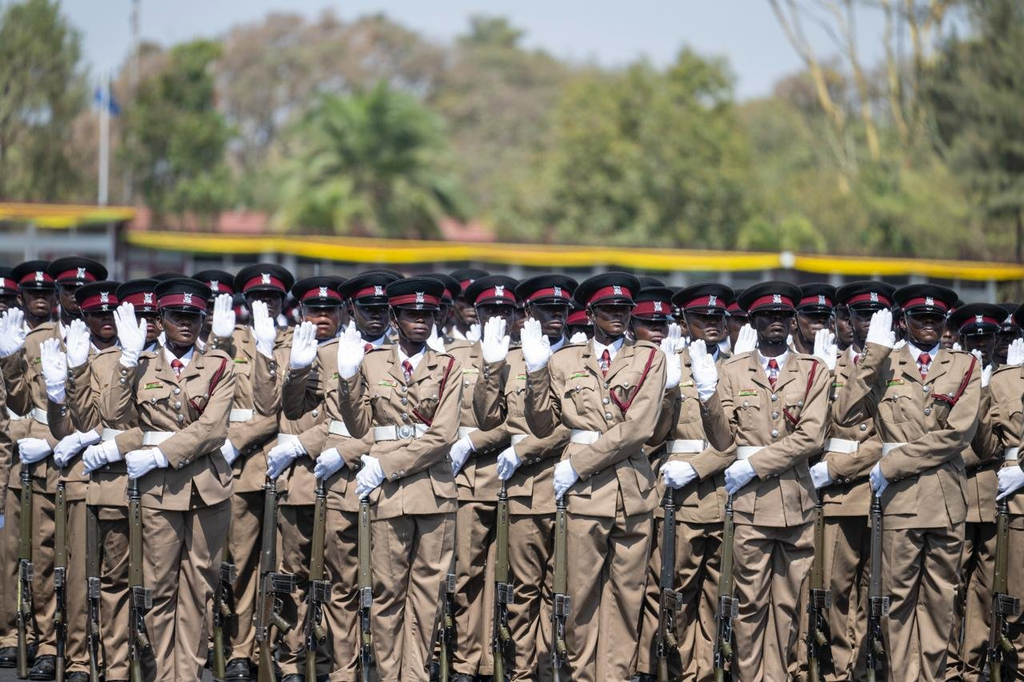
Murkomen said a three-phase salary review had increased the basic salary of police constables by 36pc.
The Government has also expanded housing programmes as part of efforts to improve the welfare and working conditions of officers.
The measures are intended to improve morale and provide officers with better conditions as they undertake increasingly demanding security responsibilities.
The CS said the Government would continue investing in the Service as part of its wider effort to professionalise policing.
Technology deployed in police service
The reform programme has also involved increased use of technology in police operations.
Among the systems introduced are a Multi-Biometric Identification System, police-hire services through e-Citizen and a Digital Occurrence Book.
The systems are intended to improve identification, record management, access to police services and the efficiency of investigations.
Technology has increasingly become part of efforts to modernise police operations and reduce reliance on manual processes.
Murkomen said such investments were part of the broader transformation of the Service into a more professional and responsive institution.
5,080 officers graduate
The passing-out ceremony marked the graduation of 5,080 Administration Police Service constables after nine months of training.
The new officers are expected to strengthen the Service’s capacity to respond to security challenges and address personnel shortages.
Murkomen said they would play a role in combating banditry and terrorism, strengthening border security and responding to other security threats.
Their deployment comes as the Government seeks to expand police capacity while continuing with reforms aimed at improving professionalism and public confidence.
Ruto urges recruits to uphold rights
President William Ruto challenged the new officers to exercise restraint and accountability while enforcing the law.
He reminded the recruits that their authority does not originate from their uniforms, weapons or ranks but from the Constitution and the people of Kenya.
Ruto also warned officers against corruption and urged them to protect citizens’ rights, including freedom of expression and peaceful assembly.
“This entire reform programme is undertaken in the public interest and financed with public resources,” the President said.
He said officers must treat citizens fairly and remain accountable for the authority entrusted to them.
According to Ruto, the ultimate measure of the police reform programme would be how ordinary Kenyans experience the Service.
Officers killed in Haiti honoured
The ceremony also honoured Kenyan police officers who died while serving in Haiti under the Multinational Security Support Mission.
Ruto laid a wreath in their honour and received the contingent’s flag in tribute to the officers who lost their lives while serving outside the country.
The tribute highlighted the risks faced by Kenyan security personnel both domestically and during international assignments.
The Government has continued to support Kenya’s participation in the Haiti mission as part of international efforts to address insecurity in the Caribbean nation.
Accountability remains central to reform
Murkomen’s remarks on police command came alongside the Government’s broader message that police reform must be accompanied by accountability and professionalism.
The insistence that all police units operate under the Inspector-General’s authority places the formal chain of command at the centre of that reform agenda.
For the new officers graduating from the National Police College, the challenge will be to exercise their powers within that constitutional framework while protecting citizens and responding to security threats.
The Government says investments in training, salaries, housing, technology and equipment are intended to strengthen the Service.
But Ruto’s message to the recruits also placed the responsibility for reform directly on individual officers: authority must be exercised lawfully, citizens must be treated fairly and public resources must be protected.
As 5,080 new constables join the National Police Service, the Government will now be expected to demonstrate that the reforms translate into improved policing and greater public confidence.


