




NAIROBI, Kenya — The government has unveiled plans to finance its proposed Sh500 billion nuclear power project through a blended funding model anchored on Public Private Partnerships (PPPs), marking a significant shift in the country’s long-term energy strategy.
Speaking at the International Conference on Nuclear Energy in Nairobi, Kefa Seda said Kenya will leverage a mix of public funds and private-sector investment to deliver the project while easing pressure on taxpayers.
The financing framework will draw support from Development Finance Institutions, Export Credit Agencies, climate financing mechanisms, and private investors, creating a diversified capital base for the programme.
According to the Public Private Partnerships Directorate, the approach is designed to attract global expertise and ensure financial sustainability for the ambitious energy project.
Kenya is pursuing nuclear power as part of efforts to meet rising electricity demand, currently growing at an estimated 5 to 7 per cent annually due to industrialisation, urbanisation, and increased digital consumption.
Despite generating over 80pc of its electricity from renewable sources—including geothermal, hydro, wind and solar—the government says the country requires stable baseload power to complement intermittent energy sources.
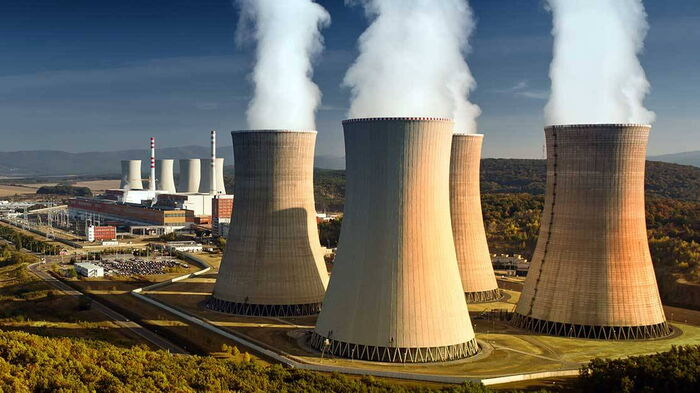
Seda noted that hydropower remains vulnerable to drought, while wind and solar depend on weather patterns. Geothermal, although reliable, faces high upfront investment costs and geographical constraints.
“The pace of our economic progress will depend on the availability and cost of energy. With nuclear power, we have an opportunity to secure long-term energy stability if we get it right,” he said.
The project, expected to deliver 1,000 megawatts, is scheduled to begin construction in 2027 and become operational by 2034, with Siaya County identified as the proposed location.
The initiative is aligned with the government’s Bottom-Up Economic Transformation Agenda (BETA), which prioritises affordable and reliable energy as a key driver of economic growth.

