




NAIROBI, Kenya — Deputy President Kithure Kindiki has assured Kenyans that the government is implementing early preparedness measures to mitigate the impact of the anticipated El Niño rains expected between October and December.
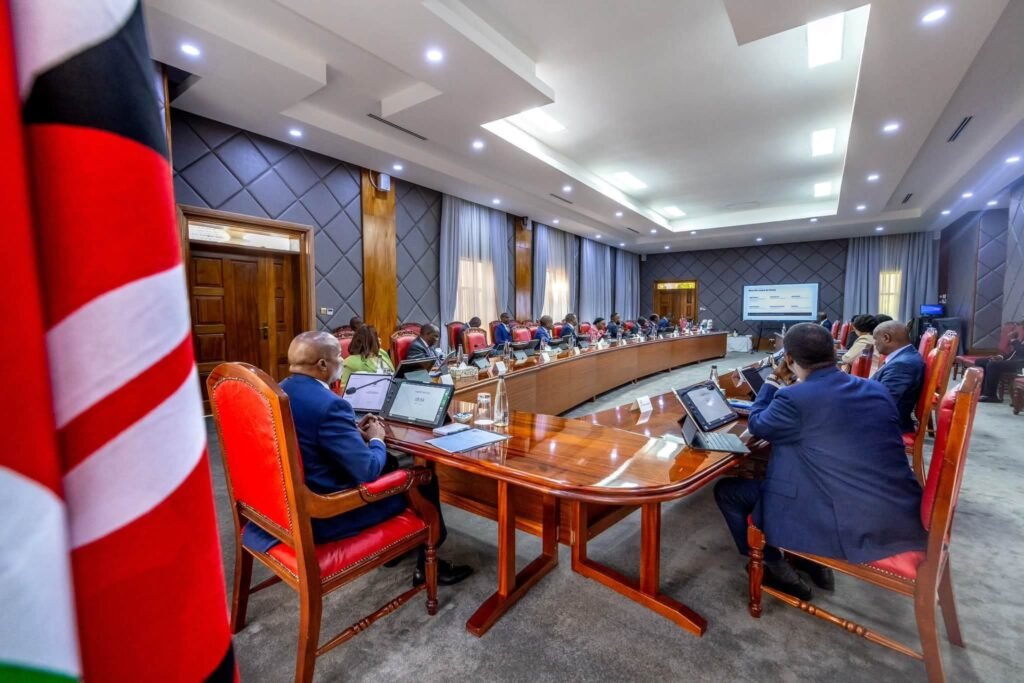
Speaking after chairing the inaugural meeting of the Ad Hoc Cabinet Committee on El Niño Preparedness and Response at his official residence in Karen on Thursday, Kindiki said the government was coordinating ministries, departments, agencies and county governments to ensure the country is ready for any eventuality.
“We assure the country that there is no need to panic. We are engaging all the ministries, departments, agencies and all state organs to ensure that in the event of the rains, the country is prepared and we are not caught by surprise,” the Deputy President said.
The committee was established following a Cabinet meeting chaired by President William Ruto on Tuesday and is mandated to oversee national preparedness for the expected heavy rains after recent weather forecasts indicated a strong likelihood of El Niño conditions later this year.
Coordinated disaster response
Kindiki said the government’s response would focus on preventing loss of life, protecting infrastructure and maintaining essential public services during the rainy season.
“We will take action to make sure that there is no disruption of civic order, disruption of movement of goods and services and public health concerns. We will also take preventive action in areas prone to mudslides, landslides and floods to prevent loss of human lives and other disruptive occurrences associated with El Niño rains,” he said.
He noted that the recently enacted National Disaster Risk Management Act, 2026, which came into force last month, provides a legal framework for faster coordination and clearer roles among government agencies during disasters.
The Deputy President said the national government would work closely with county governments as required under the new law to strengthen preparedness and emergency response.
“In the spirit of a coordinated approach, we are going to partner at this early stage with county governments as required by the new law to make sure there is a seamless preparation phase for any eventuality,” he said.
Infrastructure and health measures
Among the immediate interventions, Kindiki said the government would prioritise unclogging drainage systems, particularly in Nairobi, to minimise the risk of flooding during the rainy season.
“The Ministry of Infrastructure is working on certain interventions in Nairobi to make sure we mitigate the impact on its drainage systems,” he said.
The Deputy President also addressed concerns over the regional Ebola outbreak, assuring Kenyans that no case had been reported in the country.
“Our country has been actively prepared for the longest time, and there is no cause for alarm because there is no case reported, but our preparations, simulation and contingency measures are fully in place,” he said.
The government’s preparedness efforts come as meteorological forecasts point to increased rainfall in the final quarter of the year, with authorities seeking to avoid a repeat of previous flood-related disasters that caused deaths, displacement and widespread destruction of infrastructure across several parts of the country.



