




NAIROBI, Kenya — Kenyan banks are increasingly turning to wearable technology such as rings, wristbands, and smartwatches to expand contactless payment options, signalling a shift toward lifestyle-driven banking solutions.
Institutions including Absa Bank Kenya and Diamond Trust Bank (DTB) are leading the rollout of tap-to-pay wearables, integrating debit card functionality into devices customers already use daily.
The innovation allows users to make payments by simply tapping their wearable devices on Point of Sale (POS) terminals, eliminating the need for physical cards or mobile phones.
The technology relies on Near Field Communication (NFC), enabling encrypted data transfer within a short range.
“We are trying to integrate payment into everyday customer lifestyle,” said Linda Kimani, Head of Card Payments at Absa Bank Kenya, noting that the technology reduces friction in transactions.
The shift builds on earlier adoption of contactless payments through cards and smartphones, but banks are now targeting wearable devices as they become more embedded in daily routines, particularly in fitness, health tracking, and communication.
At Absa, payment functionality has been integrated into devices from global brands such as Apple, Samsung, Garmin, and Fitbit.
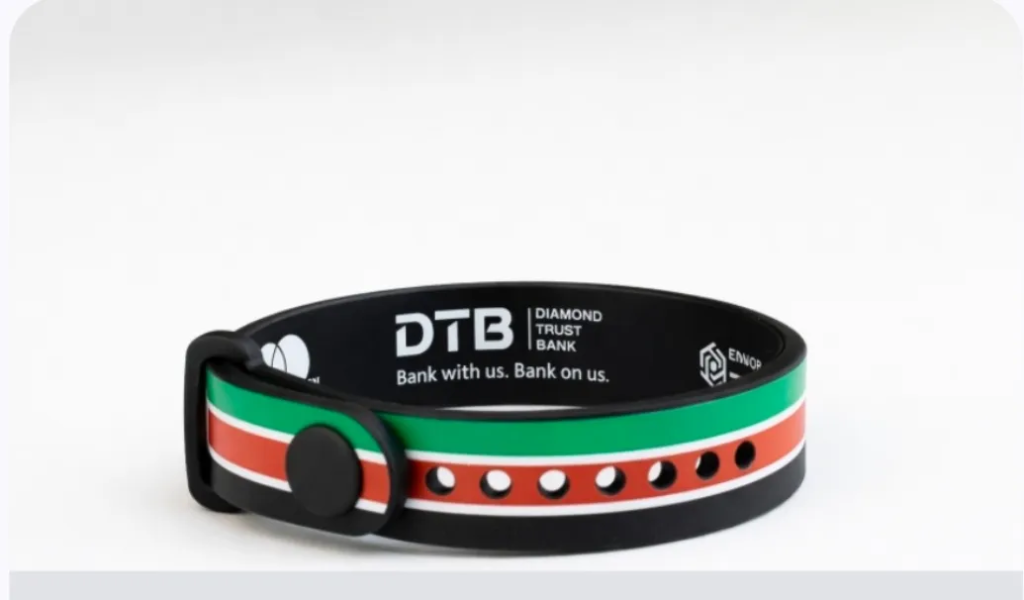
DTB, on the other hand, has developed customised wearable options, including silicon wristbands and ceramic or carbon fibre rings designed with local identity elements.
“We wanted to focus on convenience, security, and innovation,” said Azra Thobani, DTB’s Head of Customer Experience, adding that the products were shaped by customer feedback.
The adoption reflects a broader global trend where wearables are evolving beyond fitness tracking into multifunctional digital tools.
Companies such as Google and Huawei continue to expand wearable ecosystems, while Meta is pushing into smart glasses—potentially the next frontier in contactless payments.
However, the expansion of wearable payments raises critical security concerns.
Unlike traditional banking channels, many wearables operate with limited authentication, often lacking multi-factor verification widely used in financial systems.
To mitigate risks, banks have introduced transaction limits and monitoring systems.
DTB, for instance, caps single transactions at Sh5,000 and daily usage at Sh10,000, while Absa enforces PIN requirements for higher-value transactions and links wearables to primary devices for added control.

Customers can also disable or unlink devices through banking apps in case of loss or theft, while banks deploy artificial intelligence and machine learning tools to detect suspicious transaction patterns.
Despite these safeguards, experts caution that responsibility still largely rests with users to secure their devices—mirroring risks associated with physical debit cards.
The development comes against the backdrop of Kenya’s long-standing leadership in digital payments, driven by innovations such as mobile money.
Earlier attempts at wearable payments, including Safaricom’s M-PESA 1Tap wristband, laid the groundwork for current solutions, though some were discontinued.
Beyond retail banking, wearable payment systems are also being deployed in social programmes. In initiatives such as Tap2Eat, learners use NFC-enabled wristbands to access meals in schools, demonstrating the broader utility of the technology.

Looking ahead, banks and technology firms are exploring advanced features such as biometric authentication, voice-enabled payments, and integration with augmented reality devices.
“As we head to a cashless economy, wearables will play a big part in payment convenience,” Thobani said.
For policymakers and regulators, the rise of wearable payments presents a dual challenge—supporting innovation while ensuring consumer protection, data security, and financial accountability in an increasingly digitised economy.

