




NAIROBI, Kenya – Twiga Foods has been placed under statutory administration, marking a major setback for one of Kenya’s best-known agritech startups.
According to a Gazette Notice, Mohamed Mohamed was appointed administrator of GT Flow Limited, the operational entity formerly known as Twiga Foods One Limited, effective August 17, 2026.
The appointment followed a resolution by the company’s Board of Directors as the firm moves to address its financial position and establish options for dealing with its creditors.
Directors lose control of company assets
With the administration process now underway, the powers of the company’s directors over its assets and affairs have ceased unless they receive express permission from the administrator or the court.
Mohamed has assumed management control of the company’s operations and corporate assets in his capacity as administrator.
The administrator does not assume personal liability for the company’s obligations simply by taking control of its affairs.
Creditors and other stakeholders with outstanding claims against GT Flow Limited have been invited to submit full particulars of their claims as the administrator works to establish the company’s liabilities.
The process is expected to help determine the extent of the firm’s financial obligations and possible recovery options.
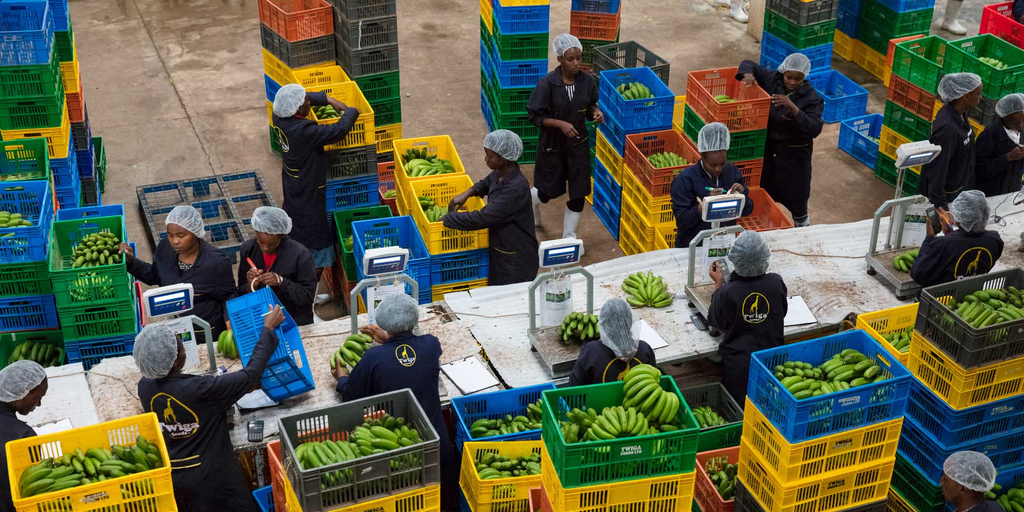
Twiga Foods rose to prominence in agritech
Founded in 2014, Twiga Foods became one of Kenya’s most prominent technology-driven agricultural businesses.
The company built a business-to-business supply chain designed to connect smallholder farmers with urban micro-retailers, using technology to streamline the movement of agricultural products.
Its growth attracted backing from major international investors and development finance institutions, including Goldman Sachs, Creadev and the International Finance Corporation (IFC).
The company’s model was positioned as a way of reducing inefficiencies in the traditional food supply chain while giving retailers more reliable access to agricultural products.
Funding pressures hit African startups
Twiga’s administration comes against the backdrop of a tougher funding environment for venture-backed businesses across Africa.
Startups have increasingly been forced to restructure operations, cut costs, seek additional financing or confront insolvency as access to venture capital has tightened and debt obligations have increased.
The administration process now puts the future of one of Kenya’s most prominent startup brands in the hands of its administrator and creditors.
Mohamed will be expected to assess the company’s financial position and determine possible options for addressing outstanding obligations and preserving value for stakeholders.
Lawyer Donald Kipkorir criticises startup model
Meanwhile, veteran Nairobi lawyer Donald B. Kipkorir has described Twiga Foods’ collapse as something he believes was foreseeable, while calling for stronger regulation of startups that raise money from Kenyan investors.
In a post reacting to the development, Kipkorir argued that some startups in Kenya are allowed to raise substantial amounts of money without sufficient safeguards for investors if the businesses fail.
“TWIGA FOODS was never meant to be a viable business!” Kipkorir wrote, alleging that some startup founders and senior managers benefit substantially from investor funding before companies eventually collapse.
His comments were a broader criticism of what he described as weaknesses in Kenya’s startup and investment regulatory framework.
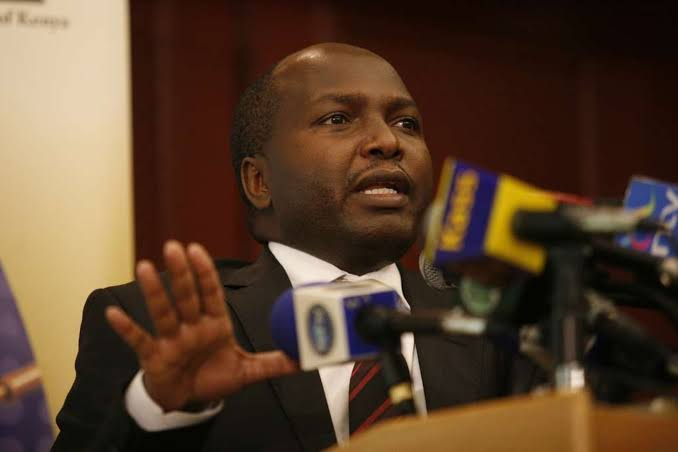
Kipkorir calls for new startup laws
Kipkorir argued that startups raising money from Kenyans should be required to provide adequate safeguards in the event of a collapse.
He also criticised what he characterised as excessive reliance on venture-capital terminology and structures, including seed funding, term sheets, dilution, angel investors and exits.
The lawyer further alleged that some failed startups have involved fraud or Ponzi-style schemes and claimed that professional advisers have sometimes enabled such businesses.



