




NAIROBI, Kenya — Education Cabinet Secretary Julius Ogamba has held talks with officials of the Kenya Union of Post Primary Education Teachers (KUPPET) amid growing concerns over inadequate government funding to secondary schools.
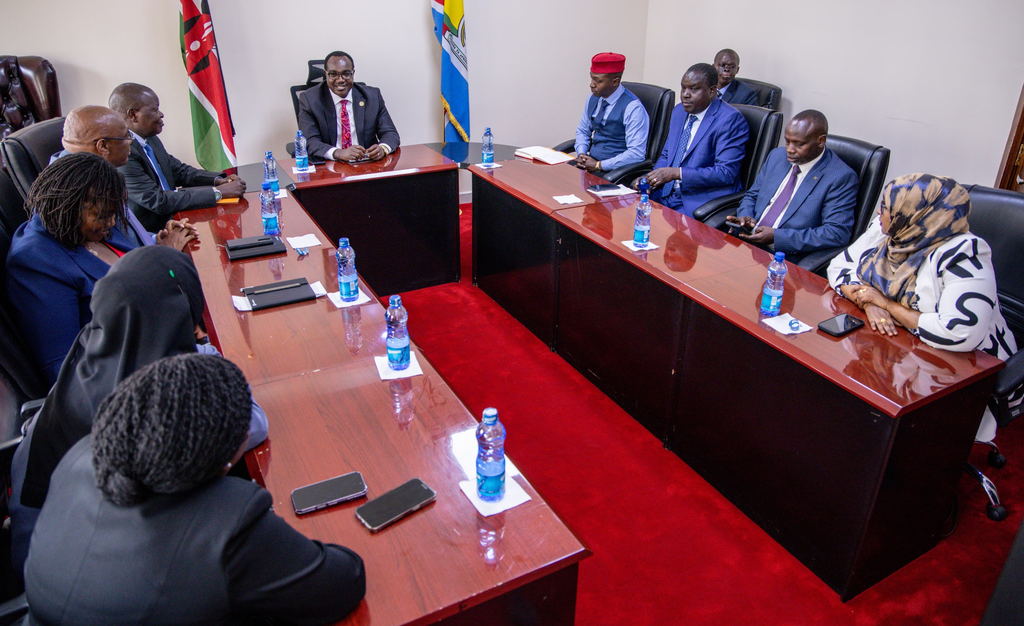
Ogamba met KUPPET’s National Executive Board at Jogoo House on Thursday, September 3, for consultations on teacher welfare and challenges affecting the delivery of quality basic education.
The meeting comes days after KUPPET warned that schools could be pushed into financial difficulties by a Sh6,000 per-learner capitation shortfall, raising the possibility of a nationwide teachers’ strike.
“This afternoon, I held a consultative meeting with the National Executive Board of the Kenya Union of Post Primary Education Teachers at the Ministry’s Jogoo House B offices,” Ogamba said.
“The consultative meeting discussed several issues pertinent to teacher welfare and to the enhancement of access to quality basic education,” he added.
The discussions come as schools enter the final term of the academic year, a period when institutions face increased operational demands and preparations for national examinations.
KUPPET raises alarm over Sh6,000 funding gap
KUPPET has raised concerns that schools have received only Sh16,000 per learner, against the statutory annual capitation of Sh22,244.
The union says the difference of Sh6,244 per learner is putting significant pressure on school budgets.
KUPPET officials have warned that the funding gap could force school heads to seek additional financial support from parents to meet essential expenses.
The union says schools are already struggling to pay for food, electricity, water, learning materials and other operational costs, with financial pressure expected to intensify during the final term.
The capitation shortfall has consequently become one of the main issues facing schools and teachers as the academic year enters its final stretch.
KUPPET had threatened nationwide strike
Ogamba’s meeting with KUPPET officials came just five days after the union threatened to down tools across secondary schools over the funding crisis.
Speaking in Vihiga on August 30, KUPPET Executive Secretary Charles Otiende said the funding shortage was increasingly being transferred to parents.
Otiende warned that schools could be left with little option but to seek additional contributions from parents to keep essential services running.
The union’s position has raised concerns over the potential impact of inadequate capitation on access to education, particularly for families that may struggle to meet additional school costs.
Ministry and union seek solutions
The latest consultation provides an opportunity for the Ministry of Education and KUPPET to address the capitation concerns before they escalate into wider disruption in schools.
The two sides also discussed broader issues relating to teacher welfare and the provision of quality basic education.
While the ministry has not announced details of any immediate funding settlement following the meeting, consultations between the government and the teachers’ union could help identify measures to ease pressure on schools.
The funding dispute comes at a critical point in the academic calendar, with schools required to maintain teaching and learning activities while also meeting additional costs associated with examinations and other end-of-year programmes.
Schools face pressure in final term
The capitation concerns are likely to be particularly significant during the final term because schools must continue financing basic operations even as they prepare candidates for national examinations.
School heads are expected to meet costs associated with learning materials, meals, utilities, maintenance and other institutional needs.
Where government funding falls short, schools may face pressure to find alternative sources of revenue.
KUPPET has argued that shifting the burden to parents risks undermining the government’s commitment to affordable and accessible basic education.

