




NAIROBI, Kenya — Director of Public Prosecutions (DPP) Renson Ingonga has called on institutions within Kenya’s criminal justice system to embrace technology as a key driver of efficiency, transparency and accountability in the administration of justice.
Speaking during the 38th National Council on the Administration of Justice (NCAJ) meeting in Mombasa, Ingonga said digital transformation is no longer optional but essential in addressing longstanding challenges affecting the justice sector.
He noted that adopting technology would help reduce case backlogs, strengthen coordination among justice institutions and ensure faster delivery of justice to Kenyans.
“Technology is no longer optional in the administration of justice. It is a necessity that will enable institutions within the justice sector to improve efficiency, accountability, and access to justice for all Kenyans,” Ingonga said.
Uadilifu Case Management System highlighted
During his presentation, the DPP showcased the Office of the Director of Public Prosecutions’ (ODPP) Uadilifu Case Management System, describing it as a transformative digital platform that is modernising criminal prosecutions.
According to Ingonga, the system has significantly improved the management of case files, enhanced information sharing among justice sector agencies and strengthened prosecutorial decision-making by providing timely and accurate case data.
He said the platform has also contributed to reducing delays in criminal proceedings while improving collaboration between prosecutors and other institutions involved in the justice chain.
“The Uadilifu Case Management System has significantly contributed to the criminal justice process by promoting efficiency in case handling, reducing delays, and facilitating better coordination between prosecutors and other justice sector actors,” he said.
Call for increased investment in justice technology
The DPP urged justice sector institutions to continue investing in technology-driven innovations capable of improving service delivery and promoting seamless collaboration among agencies.
He said embracing digital solutions would not only enhance operational efficiency but also strengthen public confidence in Kenya’s justice system through greater transparency and accountability.
Ingonga emphasised that coordinated technological advancement across institutions is critical to creating a more responsive and effective criminal justice system.
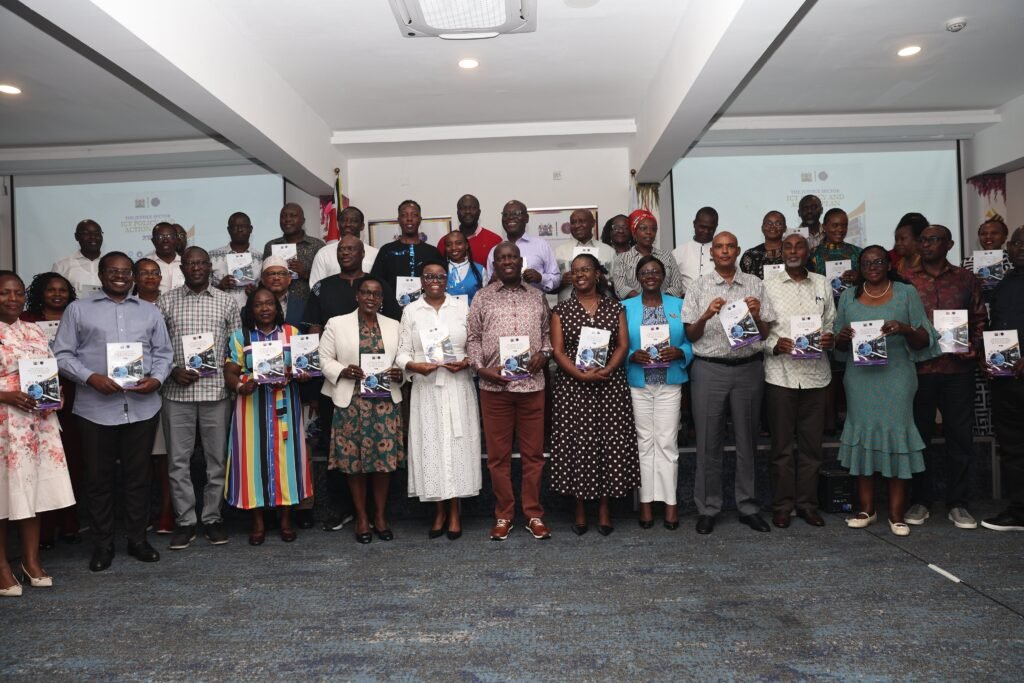
Justice sector leaders meet in Mombasa
The meeting, chaired by Chief Justice Martha Koome, brought together key stakeholders from across Kenya’s justice sector to review progress, discuss emerging challenges and chart reforms aimed at improving the administration of justice.
Participants included representatives from the Judiciary, the Office of the Director of Public Prosecutions, the National Police Service, Kenya Prisons Service, the Ethics and Anti-Corruption Commission (EACC), the Independent Electoral and Boundaries Commission (IEBC), the Office of the Attorney General, the Law Society of Kenya (LSK), the Witness Protection Agency, government departments and civil society organisations.


