




NEW YORK, United States — Kenya’s Dr. Monica Juma has concluded her first official mission to the United Nations Headquarters in New York following her swearing-in as Executive Director of the United Nations Office on Drugs and Crime (UNODC) and Director-General of the United Nations Office at Vienna (UNOV).
The week-long engagement marked Juma’s formal entry into one of the UN’s most influential leadership positions and provided an opportunity to outline her vision for tackling transnational organised crime, corruption, terrorism, and threats to the rule of law.
Reflecting on the visit, Juma said discussions with member states, senior UN officials, and development partners reinforced confidence in the relevance of UNODC at a time when global security threats are becoming increasingly interconnected.
“The messages from New York are clear,” she said, noting strong affirmation from member states of UNODC’s role in addressing complex challenges affecting peace, security, and prosperity.
Juma identified growing expectations for the agency to expand its impact on the ground, while calling for a sustainable business model capable of supporting UNODC’s global operations.
“The imperative and urgency to develop a business model that supports, in a sustainable manner, the practical work of UNODC,” she said, emerged as one of the key themes from her engagements.
A major highlight of the visit was her oath-taking ceremony on June 11, presided over by United Nations Secretary-General António Guterres.
Juma said the moment underscored the responsibility entrusted to international civil servants to serve people with integrity, impartiality and commitment to the UN Charter.
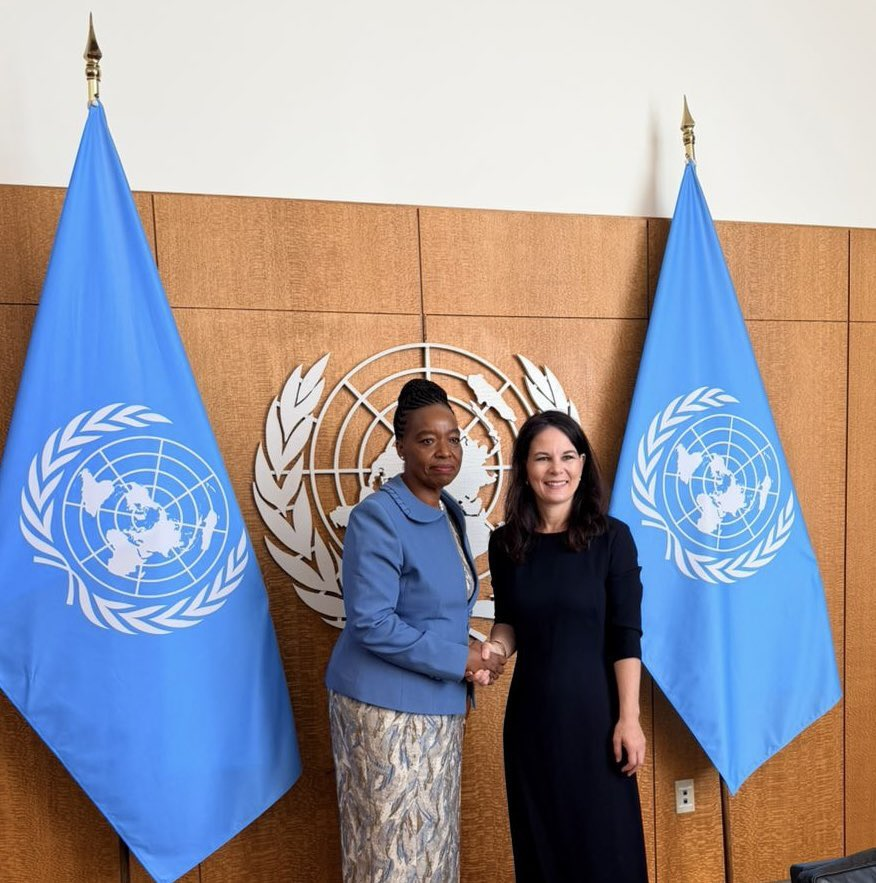
During her stay in New York, she held consultations with the President of the United Nations General Assembly, Annalena Baerbock, focusing on the future role of UNODC, the Vienna-based UN system and the ongoing UN80 reform process.
She also participated in a high-level debate at the General Assembly on environmental crimes, an issue increasingly linked to organised criminal networks and illicit financial flows.
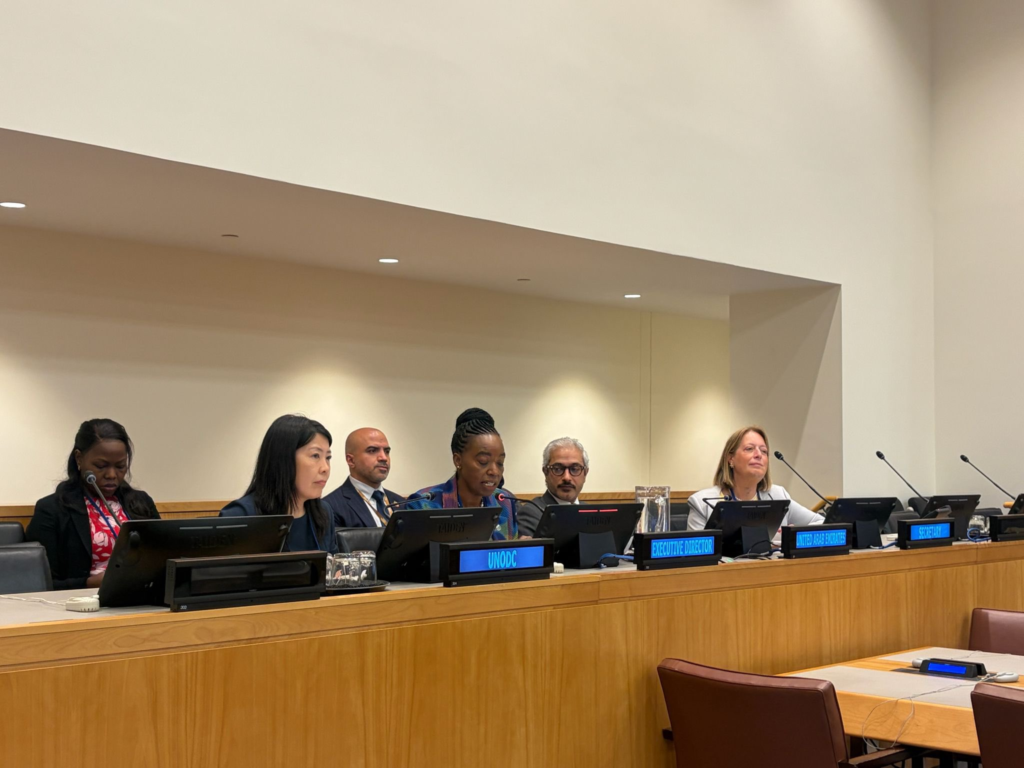
Juma further co-chaired, alongside United Arab Emirates Permanent Representative Ambassador Mohamed Abushahab, a briefing to member states on preparations for the 15th United Nations Crime Congress scheduled for September 2026 in Abu Dhabi.
She described the congress as a pivotal platform that will help shape the global criminal justice and rule-of-law agenda for the next five years.
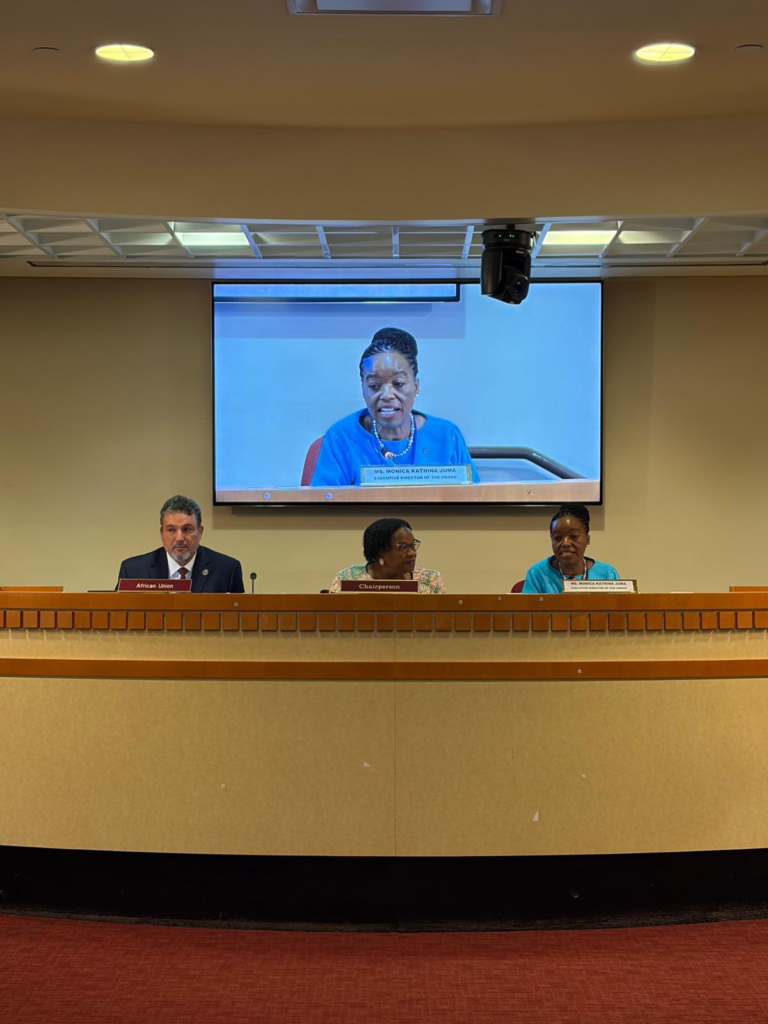
The former Kenyan National Security Adviser also met representatives of the African Group at the UN, where discussions centred on strengthening cooperation between African countries and UNODC, emerging security priorities, and the forthcoming World Drug Report.
Technology-facilitated trafficking in persons featured prominently in several of her engagements. Juma attended the launch of a Group of Friends initiative led by the Republic of Korea and pledged UNODC’s support in advancing international cooperation against the growing threat.
She also held discussions with International Union for Conservation of Nature (IUCN) Director General Dr. Grethel Aguilar on leveraging technology to combat wildlife trafficking, a major concern across Africa and other biodiversity-rich regions.
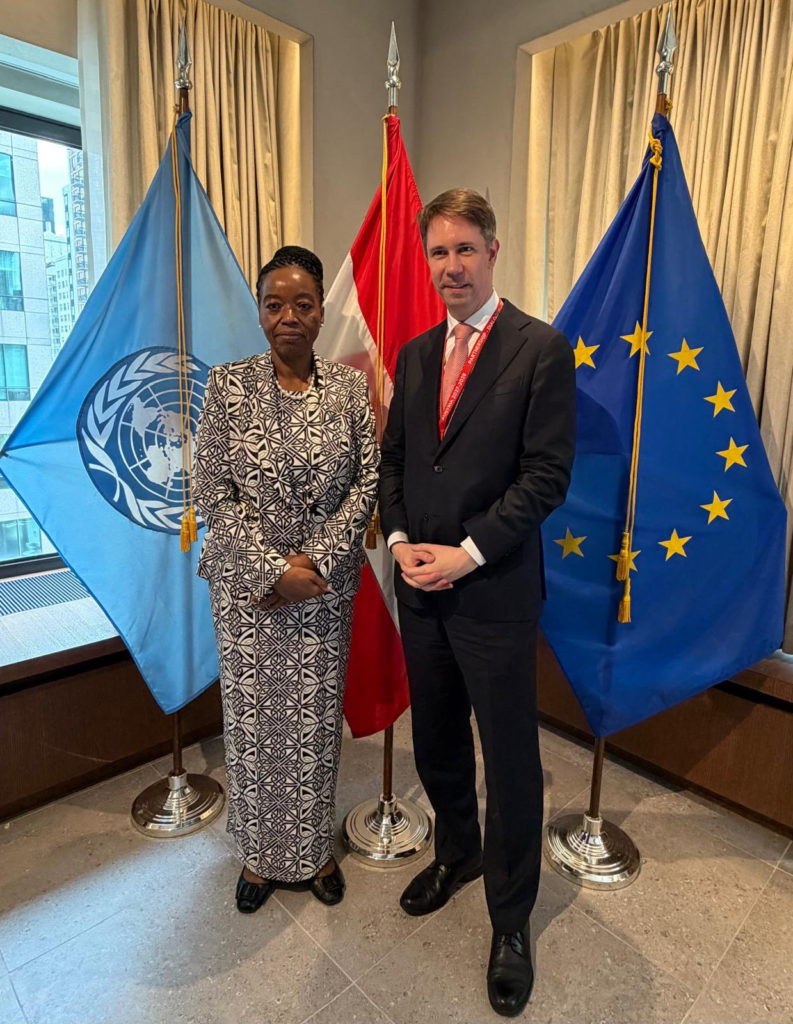
Her meetings extended to key diplomatic partners, including the United States, South Korea, Hungary, and Kenya’s mission to the United Nations. Discussions focused on institutional reform, resource mobilisation, cybersecurity, maritime security, and strengthening global cooperation against organised crime.
Juma also met senior officials across the UN Secretariat responsible for finance, human resources, legal affairs, ethics, oversight, peacebuilding, and operational support as she familiarised herself with the organisation’s governance and management structures.
Her appointment places a Kenyan at the helm of a critical UN agency tasked with coordinating global efforts against drug trafficking, corruption, cybercrime, terrorism financing, and transnational organised crime.
As she prepares to assume her duties fully in Vienna, Juma said UNODC remains uniquely positioned to bridge security, justice, and development objectives in pursuit of safer and more prosperous societies.
“UNODC is uniquely positioned to serve as a force multiplier across the UN system, connecting security, rule of law, and justice in efforts orchestrated to deliver a safer, secure, and dignified development for all,” she said.

