




NAIROBI, Kenya — President William Ruto has called on African countries to strengthen alternative justice systems and reclaim traditional dispute resolution mechanisms, arguing that dialogue and reconciliation are deeply rooted in the continent’s history and remain essential to expanding access to justice.
Speaking at the Africa Chief Justices’ Alternative Dispute Resolution Summit 2026 in Nairobi, the President challenged the notion that mediation and community-based justice are alternatives to formal courts, describing them instead as Africa’s original justice systems.
“In Africa, the resolution of disputes through dialogue is not the alternative. It has never been; it is the original and the only justice system,” Ruto said, noting that communities historically relied on councils of elders and village assemblies to settle disputes, restore relationships and rebuild trust.
The President said Africa should take pride in its longstanding traditions of mediation and restorative justice, arguing that practices now being embraced globally have existed on the continent for generations. He cited Rwanda’s post-genocide Gacaca courts, which processed nearly two million cases in a decade through community tribunals, as a powerful example of African-led justice innovation.
Ruto pointed to Kenya’s constitutional recognition of alternative dispute resolution under the Constitution of Kenya 2010, which requires courts to promote reconciliation, mediation, arbitration, and traditional dispute resolution mechanisms.
He said the approach has produced measurable results, with court-annexed mediation returning more than Sh52 billion to the economy and restoring over 8,000 family relationships since 2016.
He also praised initiatives such as the Al-Islaah Alternative Justice Centre in Garissa, saying they demonstrate how justice can be delivered in ways that reflect local values and community realities.
The President argued that justice systems should be evaluated not only by efficiency metrics such as case clearance rates but also by whether citizens feel heard, treated fairly, and able to restore their dignity after disputes are resolved.
Beyond social cohesion, Ruto linked effective dispute resolution to economic development, particularly as Africa implements the African Continental Free Trade Area (AfCFTA).
He expressed concern that many commercial disputes involving African investments continue to be resolved outside the continent, noting that African arbitrators account for less than eight per cent of appointments in leading global arbitration institutions.
“Why do we still ship out our disputes?” he asked, urging African countries to build world-class arbitration centres capable of handling disputes locally. “Let us resolve African disputes on African soil by African jurists under African institutions.”
Ruto further called for increased funding for the judiciary across Africa, describing investment in court infrastructure, technology, judicial training, and alternative dispute resolution programmes as critical to stability, economic growth, and public trust.
He pledged to lobby fellow African leaders to prioritise predictable and adequate funding for independent judiciaries.
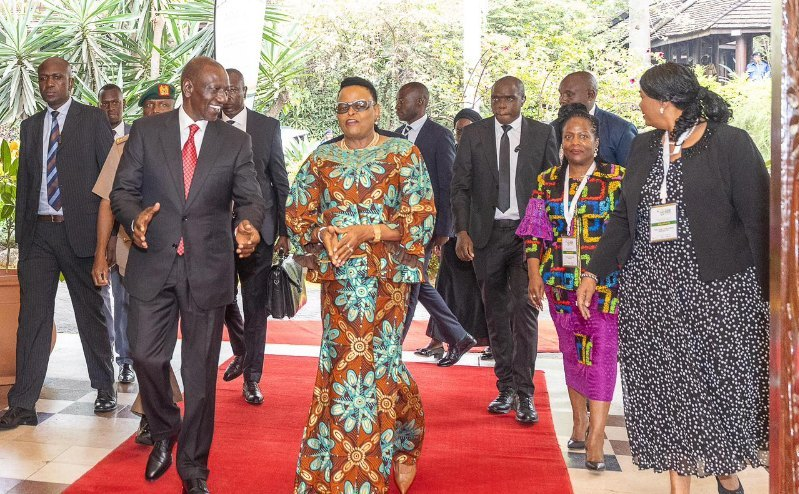
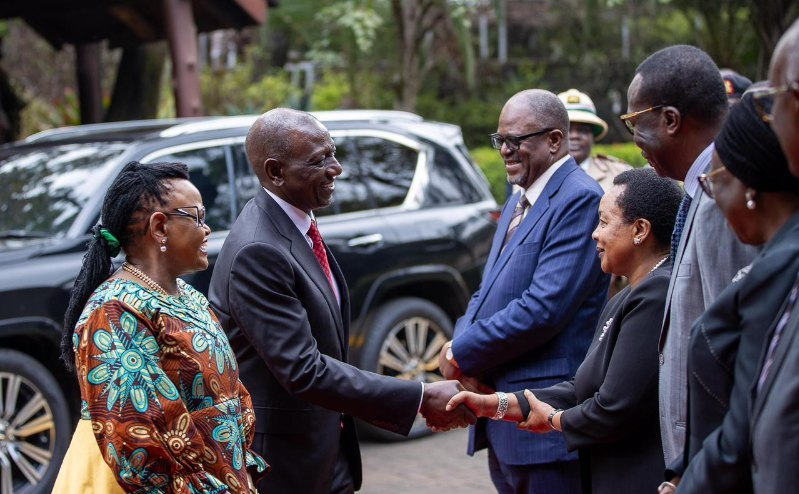
The summit brought together chief justices, judges, and judicial leaders from across the continent to discuss people-centred justice systems and the role of alternative dispute resolution in improving access to justice, reducing case backlogs, and strengthening social cohesion.
Ruto concluded by urging African leaders to build justice systems that “serve, listen, resolve and restore,” saying the continent’s future depends on institutions capable of delivering justice that is accessible, fair, and responsive to the needs of ordinary citizens.

