




NAIVASHA, Kenya — Principal Secretary for Medical Services Ouma Oluga has urged county governments to shift focus from funding constraints to practical, system-based solutions, warning that persistent inefficiencies are slowing progress in reducing preventable deaths.
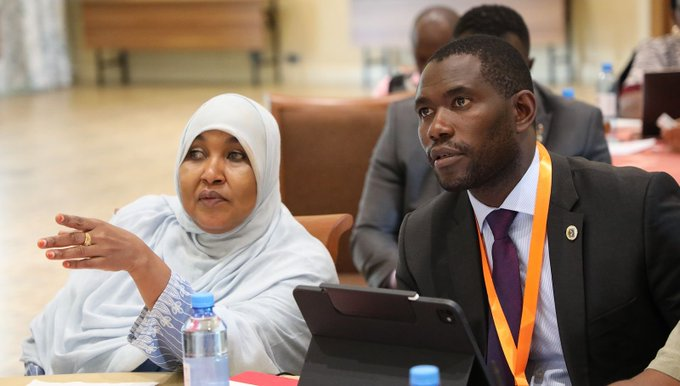
Speaking during the Quarterly Consultative and Review Forum for county chief officers for health, Oluga said gaps in decision-making, accountability and response continue to undermine healthcare delivery across the country.
“Kenya’s health sector requires decisive, evidence-based action to address persistent challenges,” he told officials drawn from all 47 counties.
The forum, convened by the Council of Governors and chaired by County Chief Officers Caucus chair Kevin Osuri, reviewed sector performance and aligned priorities between national and devolved governments.
Oluga noted that while surveillance and reporting systems have improved, the sector has struggled to translate data into action.
“The response remains the missing link across financing, workforce management, medical commodities and digital health systems,” he said.
He called on counties to strengthen how they identify and prioritise health challenges, particularly in reproductive, maternal and newborn health, to ensure efficient use of limited resources.
Highlighting low-cost interventions, Oluga pointed to improved clinical documentation as a critical step in enhancing quality of care.
“Improving documentation is a low-cost intervention with high impact on service delivery,” he said.
The PS also raised concern over inequitable access to specialised services, noting that such services remain concentrated in urban areas, leaving rural populations underserved and contributing to avoidable deaths.
“This limits access… We must ensure equitable distribution of services and optimal use of existing infrastructure,” he added.
He further cited inefficiencies in hospital development, including underutilised facilities, and urged counties to rethink investment strategies and explore alternative financing models while prioritising essential areas such as equipment, maintenance and workforce deployment.
Oluga warned that Kenya continues to face significant challenges in reproductive, maternal and newborn health, alongside a growing burden of non-communicable diseases, driven by systemic gaps in quality of care and declining donor support.
To address these challenges, he announced the rollout of the Maternal and Newborn Health Rapid Results Initiative (MNH RRI), set to begin in May 2026 under the Kenya EWENE Acceleration Plan.
The six-month programme will focus on strengthening governance, financing, service delivery and accountability to reduce preventable deaths.
He added that the government is digitising the Maternal and Perinatal Death Surveillance and Response system to enable real-time reporting and faster interventions.

