




NAIROBI, Kenya — The Kenya Wildlife Service has intensified efforts to strengthen wildlife conservation leadership and community-based protection through a series of strategic training programmes targeting officers and community scouts.
The programmes, launched at the Kenya Wildlife Service Law Enforcement Academy, include Company Commanders’ Courses, Non-Commissioned Officers’ Promotional Courses, and specialised training for Community Scouts.
The initiatives are aligned with the KWS Strategic Plan 2024–2028, which focuses on improving conservation management, combating wildlife crime, and enhancing collaboration with local communities.
Erustus Kanga officially opened the programmes and emphasised the importance of investing in human capacity to address emerging environmental and conservation challenges.
The training has brought together KWS officers and Community Scouts drawn from several conservation organisations, including Ol Pejeta Conservancy, Mount Kenya Wildlife Conservancy, Sheldrick Wildlife Trust, Tsavo Trust, and Rhino Ark.
According to Prof. Kanga, well-trained officers and scouts are central to addressing growing threats facing wildlife conservation, including poaching, climate change, and increasing cases of human-wildlife conflict.
He noted that strengthening partnerships with local communities remains critical in protecting Kenya’s biodiversity and wildlife heritage.
“Continuous investment in people remains the strongest foundation for securing conservation gains,” Prof. Kanga said.
He added that institutions that prioritise training and empowerment build stronger capacity, resilience, and long-term sustainability in conservation leadership.
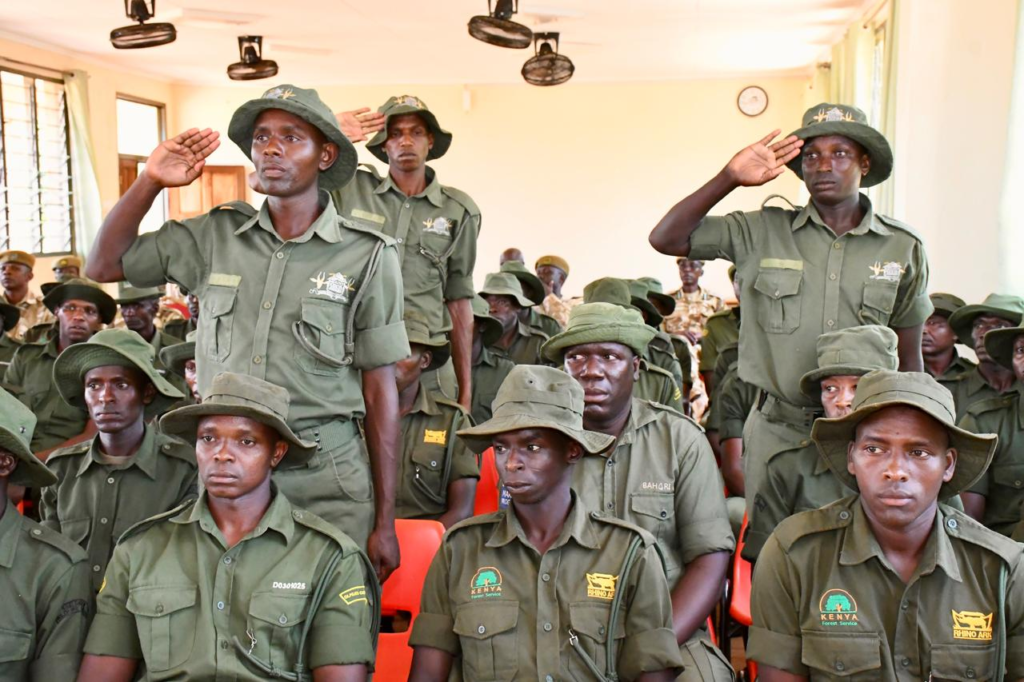
KWS has increasingly expanded the role of community scouts in conservation efforts, particularly in areas bordering national parks and wildlife corridors where human-wildlife conflict remains a persistent challenge.
The agency says collaboration between state conservation officers, private conservancies, and local communities is becoming more important as climate pressures and habitat loss intensify across the country.
Kenya remains one of Africa’s leading wildlife tourism destinations, with conservation playing a key role in the country’s economy and environmental sustainability agenda.


