




NAIROBI, Kenya — The completion of the Bomas of Kenya International Conference Centre (BICC) has been pushed to September after construction delays disrupted plans to host the upcoming Africa-France summit at the facility.
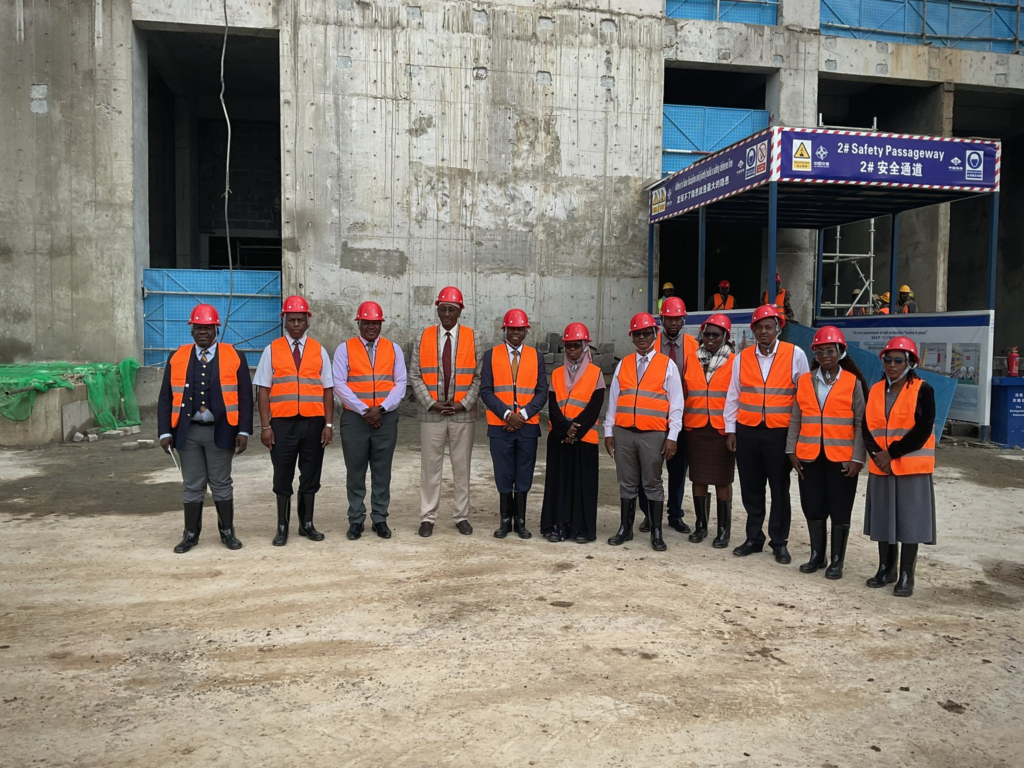
Members of Parliament were informed of the revised timeline during an inspection tour by the Senate Committee on Roads, Transportation, and Infrastructure on Wednesday, April 30.
The committee visited the site to assess the progress of the ongoing Sh30 billion project and received updates on the construction status following the postponement of plans to host the Africa-France Partnerships for Innovation and Growth Summit at the venue.
The summit, scheduled for May 11 and 12, is now expected to be moved to either the Kenyatta International Convention Centre (KICC) or a private luxury hotel in Nairobi after it became clear the facility would not be ready in time.
The project had initially been scheduled for completion in April, with the government expecting the centre to begin hosting events a month later.
Interior Principal Secretary Raymond Omollo had on April 20 shared official images showing the project at an advanced stage. However, the photographs also revealed extensive ongoing works across several sections of the site despite major structural developments being in place.
Parliamentary inspections established that key renovations, including upgrades to the main auditorium and luxury wings, would not meet the May deadline.
The National Assembly Committee on Tourism and Wildlife had earlier raised concerns about the project timeline during a separate inspection on April 22, confirming that construction would extend beyond the planned completion date.
Construction of the expansive conference complex began in March 2025 as part of Kenya’s broader strategy to position itself as a regional hub for international diplomacy, business forums, and high-level conferences.
The facility sits on more than 323,500 square metres near the intersection of Lang’ata Road and Magadi Road in Nairobi.
Once complete, the complex is expected to significantly increase Kenya’s conference-hosting capacity. Plans for the centre include a presidential pavilion designed to host up to 30 heads of state, accommodation for approximately 11,000 delegates across 35 meeting rooms, and a modern hospitality wing.
The development will also feature a 5,000-seat main auditorium, a 3,500-seat secondary hall, retail spaces, and supporting amenities intended to support large-scale international events.
The delay comes as the government continues to invest heavily in infrastructure aimed at strengthening Kenya’s position as a diplomatic and tourism destination in Africa.
Despite the setback, officials maintain that the project remains a flagship investment that will enhance the country’s competitiveness in attracting global conferences and summits once completed.



