




BUDAPEST, Hungary — Hungarian President Tamás Sulyok has agreed to step down after signing a constitutional amendment approved by parliament, bringing his presidency to an end at midnight on Sunday and paving the way for sweeping institutional changes under Prime Minister Péter Magyar’s government.
Sulyok confirmed on Saturday that he would sign the amendment before the constitutional deadline expired, avoiding a prolonged institutional standoff and possible impeachment proceedings.
In a statement, however, the outgoing president accused the new administration of undermining the rule of law, arguing that the constitutional changes violated Hungary’s legal traditions.
The amendment, which was passed by parliament using the governing Tisza party’s majority, not only ends Sulyok’s presidency but also removes Constitutional Court President Péter Polt from office.
It further introduces mandatory retirement for Constitutional Court judges aged over 70 and bars lawmakers who have served three parliamentary terms from seeking re-election. The provision affects more than half of the current members of the opposition Fidesz party.
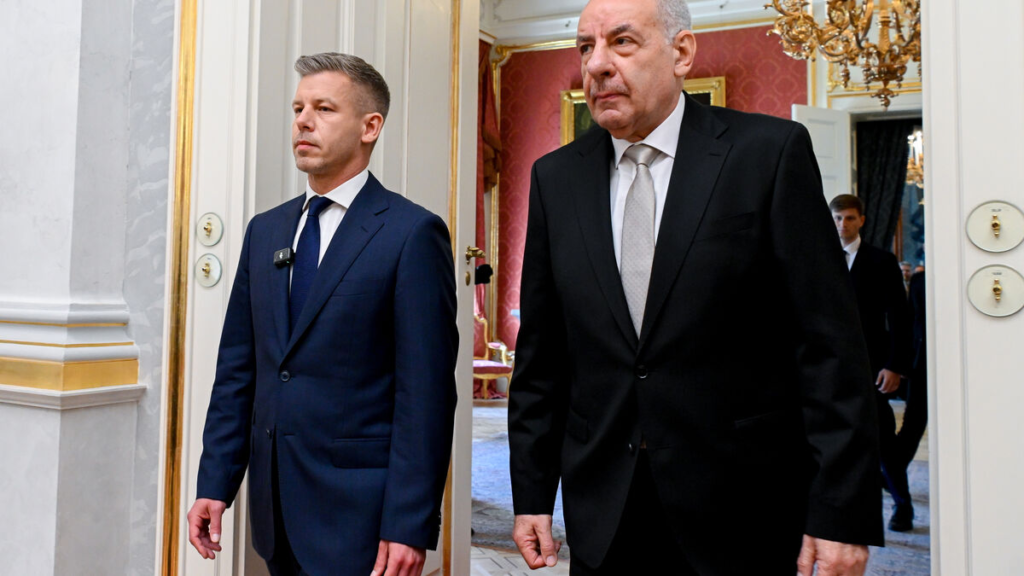
Political transition accelerates
The constitutional amendment marks one of the most significant reforms undertaken by Prime Minister Péter Magyar since his Tisza party secured a landslide victory in the April general election, ending former Prime Minister Viktor Orbán’s 16-year hold on power.
The new government has argued that the reforms are necessary to dismantle what it describes as political structures established during the previous administration. Government supporters have long viewed Sulyok as an ally of Orbán and his Fidesz party.
Opposition figures, however, have criticised the speed and scope of the constitutional changes, warning that they risk weakening institutional independence.
Former Prime Minister Orbán condemned the amendment as “an act of tyranny” and called on his supporters to protest against the government’s actions.
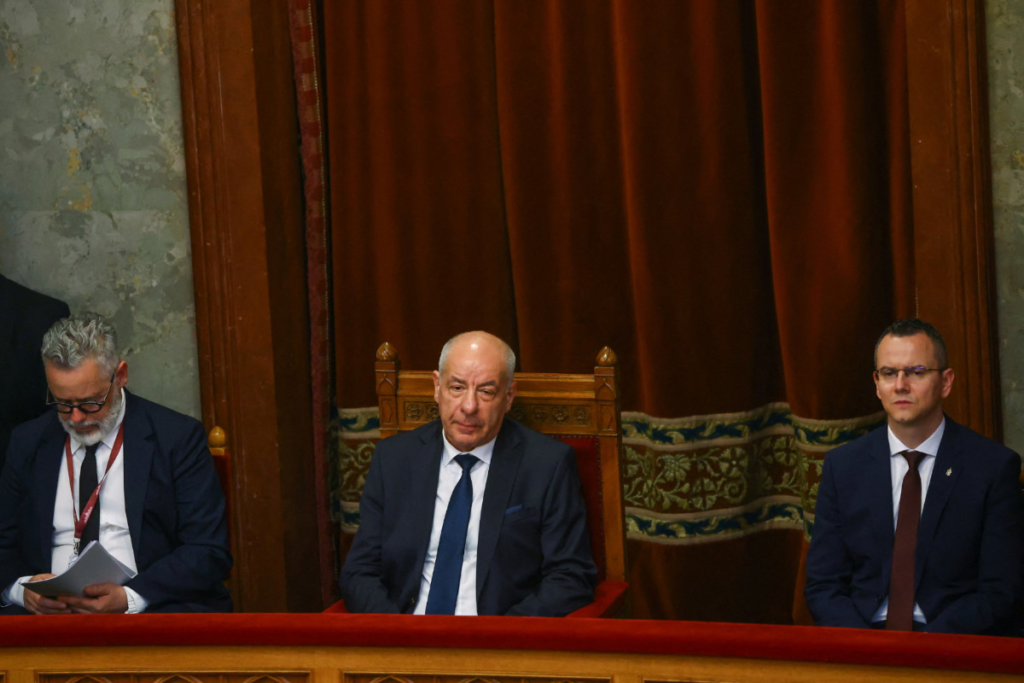
Constitutional and political implications
Under Hungary’s Constitution, the president performs largely ceremonial duties but also plays an important constitutional role by signing legislation, appointing certain public officials and safeguarding the functioning of state institutions.
The removal of senior judicial officials and the introduction of new eligibility rules for lawmakers represent some of the most far-reaching constitutional changes since the change of government.
Supporters of the reforms argue they are intended to strengthen democratic accountability and prevent the entrenchment of political power, while critics contend they could set a precedent for using constitutional amendments to remove political opponents.
Since losing power in April, Fidesz has struggled to regain political momentum. Viktor Orbán has maintained a low public profile and has declined to take up his parliamentary seat, underscoring the party’s uncertain future following its electoral defeat.


