




NAIVASHA, Kenya — Kenya has moved to strengthen the protection and restoration of wetlands through the validation and finalisation of a new national programme aimed at boosting climate resilience, biodiversity conservation, and sustainable livelihoods.
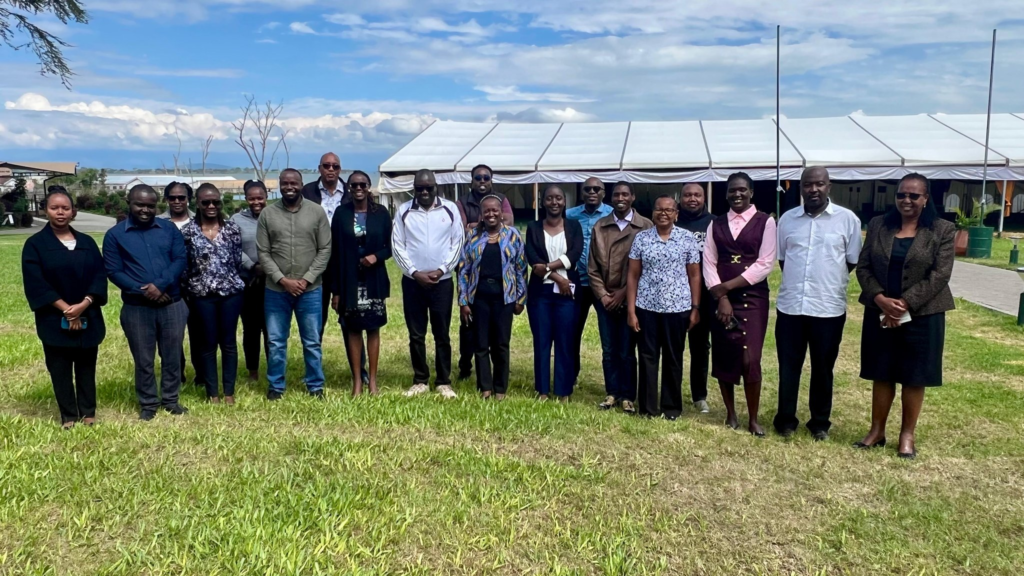
The Kenya Integrated Wetlands Ecosystem Restoration and Climate Resilience Programme (K-IWERCP) concept note was reviewed during a high-level workshop in Naivasha, bringing together government agencies, environmental experts, and development partners.
The workshop was officially opened virtually by Principal Secretary for Environment and Climate Change Festus Ng’eno, who warned that wetlands across the country continue facing growing threats from encroachment, pollution, unsustainable land use, and climate change.
Ng’eno said critical ecosystems, including Yala, Nyando, Ondiri, Lake Ol’ Bolossat, and the Tana Delta, were among wetlands increasingly affected by environmental degradation.
According to the PS, destruction of wetlands is undermining essential ecological functions such as flood control, water purification, biodiversity protection, and support for local livelihoods.
“The degradation of these ecosystems is undermining their critical functions, including flood regulation, water purification, biodiversity conservation, and support for livelihoods,” Ng’eno said.
He warned that declining wetland integrity was worsening the impact of climate extremes across the country, particularly in flood-prone regions such as Nyando and Budalang’i, where communities continue to experience recurrent flooding.
Other areas are increasingly facing prolonged droughts, affecting access to water, grazing land, fisheries, and other natural resources.
Ng’eno said the K-IWERCP programme had been designed as a transformative national initiative intended to restore and sustainably manage wetlands across Kenya’s major basin systems.
The programme also seeks to strengthen coordination among national and county governments, civil society organisations, academia, development partners, and private sector actors involved in environmental conservation.

A major component of the initiative involves the creation of a comprehensive national wetlands database to guide restoration priorities based on ecological significance, biodiversity value, level of degradation, climate vulnerability, and community dependence on wetland resources.
The PS said the programme would also serve as an investment framework to support resource mobilisation and financing discussions with development partners.
Officials confirmed that the final concept note will be submitted through the Public Investment Management Information System for consideration and possible funding support.
Ng’eno said investment in wetland restoration remains critical for Kenya’s long-term climate adaptation strategy, water security, and disaster risk reduction efforts.
“Investing in wetlands is critical for Kenya’s long-term water security, disaster risk reduction, biodiversity conservation, and climate resilience,” he said.
The meeting was convened by the Director of Programmes, Projects and Strategic Initiatives, Vicky Betty, and attended by representatives from the Water Resources Authority, the National Environment Trust Fund, and Wetlands International, among other technical stakeholders.


