




KERUGOYA, Kenya — Kirinyaga Governor Anne Waiguru has urged the National Government to immediately intervene to protect local rice farmers in Mwea following the recent influx of duty-free basmati rice imports that have flooded the Kenyan market.
In a statement on Thursday, Waiguru warned that the imports have drastically reduced local rice prices, threatening the livelihoods of thousands of farmers who are currently preparing for a bumper harvest in the country’s largest rice-growing scheme.
“Our Mwea rice farmers have invested heavily to produce high-quality Pishori rice, spending about Sh60 per kilogram,” Waiguru said.
“The recent decision to import duty-free basmati rice has flooded the market, pushing prices down just as farmers prepare for a bumper harvest. This threatens their livelihoods and years of progress.”
Waiguru appealed to the National Government to prioritize the purchase and distribution of Mwea rice in national food programs, saying local uptake would safeguard farmer income while advancing Kenya’s food security goals.
“I once again urge the National Government to prioritize the uptake of Mwea rice as a matter of urgency and protect our farmers by supporting local production,” she said.
“Safeguarding this sector means securing thousands of households that depend on rice farming and advancing Kenya’s goal of true food security and agricultural self-reliance.”
Farmers in Mwea, which contributes over 80 P.c of Kenya’s total rice production, have raised alarm over falling prices since the government allowed duty-free rice imports earlier this year to cushion consumers from high food prices.
The imported rice, mainly from Pakistan and India, has reportedly reached local markets at prices far below the cost of domestic production.
Local traders say the market price of Pishori rice has dropped from an average of Sh250 per kilogram to as low as Sh180, with projections of further decline as the harvest season peaks.
Waiguru warned that sustained importation would reverse the gains made under the National Rice Development Strategy (NRDS II), a government framework aimed at promoting self-sufficiency in rice production by 2030.
Kenya’s Agriculture and Food Authority (AFA) has previously emphasized the need to protect domestic producers from unfair competition while balancing consumer affordability. Experts argue that sustained import dependence undermines investment in irrigation infrastructure and productivity in schemes like Mwea, Ahero, and Bunyala.
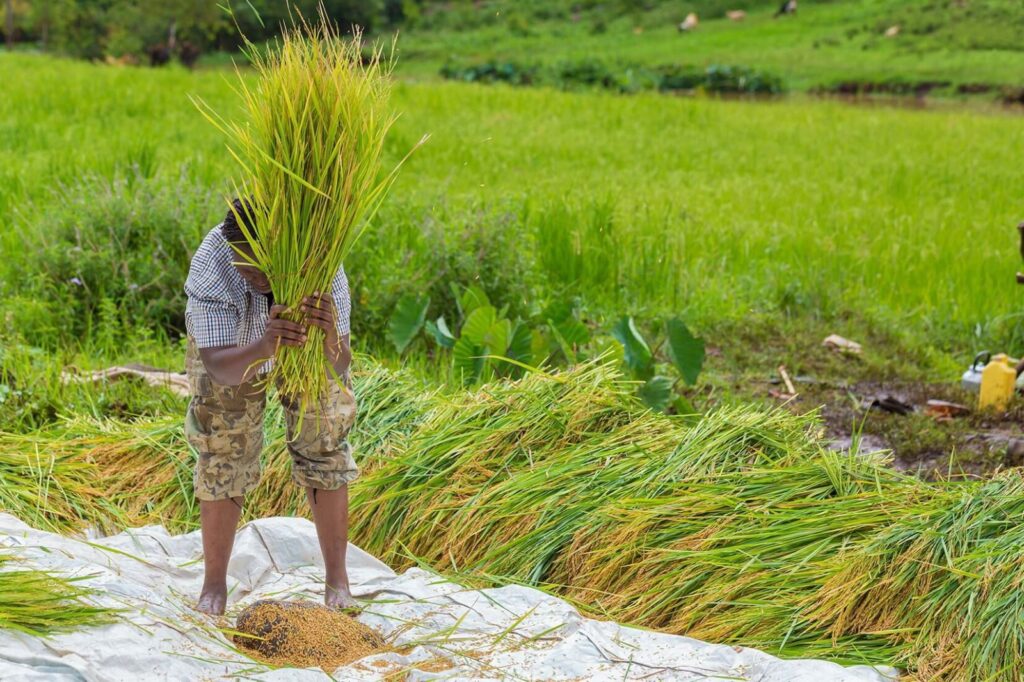
The rice standoff also tests the government’s commitment to its Buy Kenya, Build Kenya policy and the Agricultural Transformation and Growth Strategy (ASTGS), which prioritizes reducing import dependency.
As harvesting begins in Mwea, Waiguru’s call adds to mounting pressure on the Ministry of Agriculture to review the duty-free import policy and develop a structured marketing plan that ensures locally produced rice reaches institutional consumers such as schools, prisons, and the National Cereals and Produce Board (NCPB).
“#SupportMweaFarmers, #BuyKenyanGrowKenya, #KirinyagaRising,” Waiguru concluded in her post — a rallying call that has quickly gained traction among farmers and local leaders in Kirinyaga County.


