




NAIROBI, Kenya — President William Ruto has pledged to end decades of discrimination against members of the Akorino Church, promising their inclusion in government and public service roles.
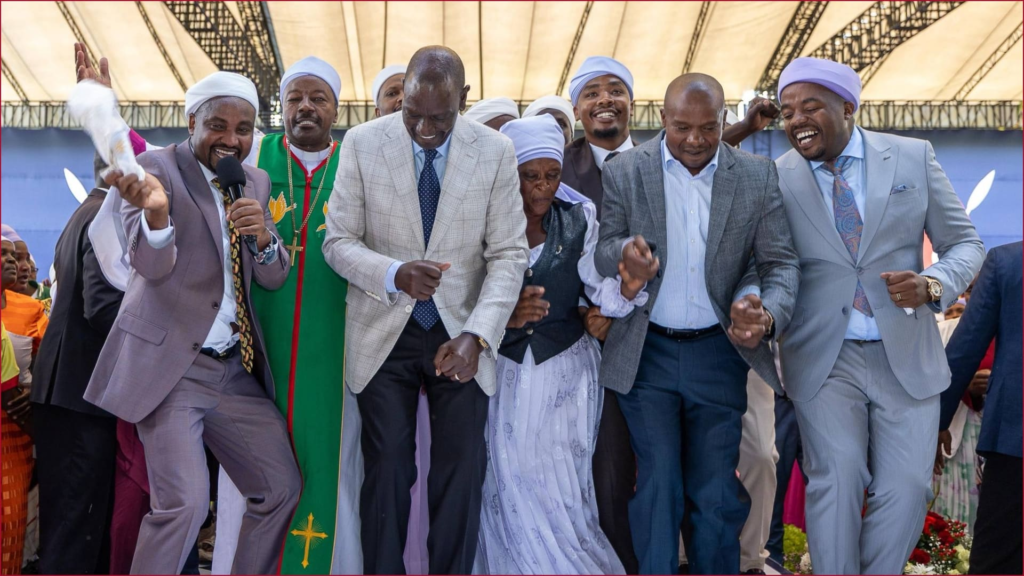
Speaking during a Thanksgiving service held at State House, Nairobi, on Sunday, the President acknowledged that the Akorino community has historically faced exclusion in social and economic opportunities due to their religious beliefs, dress code, and way of life.
The Akorino church, which traces its roots to the colonial era as a movement resisting foreign cultural influence, is known for its distinctive turbans worn by both men and women as part of their faith.
President Ruto said such identity markers should never be a basis for discrimination.
“No one should be discriminated against because they wear a turban. It is a cloth like any other. Matters of religion are in the heart, while competence and know-how are in the head,” he said.
The President committed to appointing members of the community to government positions within two weeks, noting that many Akorinos are qualified professionals across sectors, including education, engineering, and healthcare.
“I have recognised members of the Akorino church as faithful people who trust in God… I am going to include you in leadership in various capacities,” he added.
As part of the immediate measures, Ruto announced the allocation of 50 additional teaching positions to members of the community, citing positive performance reports from those already employed.
“I am impressed, and I have received positive reports about the teachers we employed. Because you have done a good job, I will add 50 more positions for you,” he said.
He directed Deputy Head of Public Service Amos Gatheca to oversee the fair distribution of the positions across the Akorino community nationwide, with a timeline aimed at having the teachers in classrooms by the next school term.
The announcement comes shortly after the Teachers Service Commission concluded a nationwide teacher data update exercise aimed at strengthening workforce planning and guiding future recruitment.
For the Akorino community, the commitments mark a potentially significant shift in state recognition and integration after years of perceived marginalisation.


