




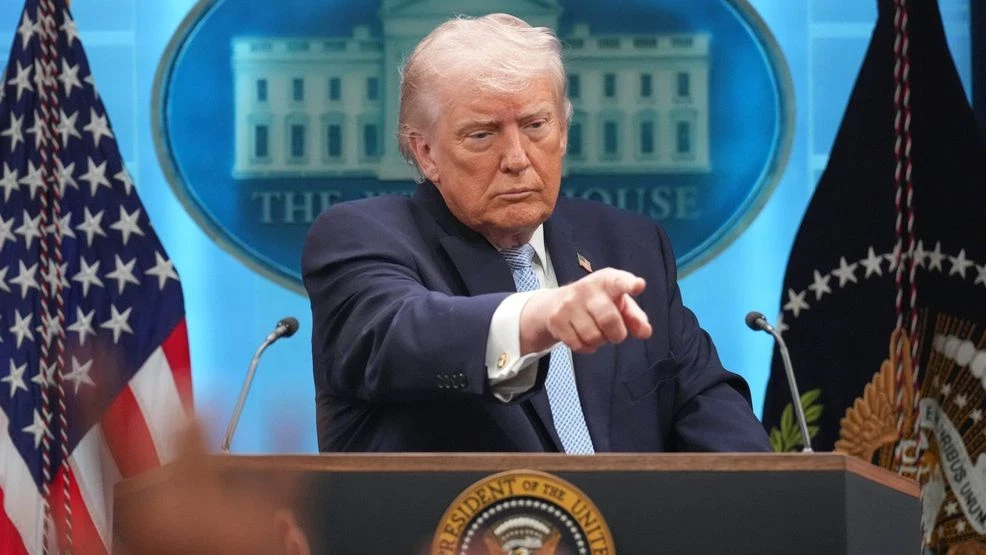
WASHINGTON, United States — U.S. President Donald Trump has warned that “a whole civilization will die tonight” if Iran fails to reach a deal with Washington, dramatically escalating rhetoric amid mounting fears of a wider Middle East conflict.
The warning, delivered in a public statement as diplomatic efforts intensified, signaled a potential turning point in the standoff between the United States and Iran. Trump framed the moment as critical, urging Tehran to accept terms aimed at halting hostilities and preventing further escalation.
The remarks come as tensions rise following weeks of confrontations involving U.S. and allied forces targeting Iranian-linked assets, prompting concerns about broader regional instability. Analysts say the strong language suggests Washington is attempting to pressure Tehran into negotiations under a tight timeline.
Officials familiar with the developments indicated that the proposed deal would focus on de-escalation measures, including halting attacks, reopening key maritime routes, and establishing guarantees to prevent further military engagement.
However, Iranian authorities have reportedly set conditions before entering formal talks, including demands for security assurances and compensation for damage linked to recent strikes.
The standoff has drawn global attention due to its potential economic consequences, particularly for energy markets. The Strait of Hormuz, a critical corridor for global oil shipments, remains at the center of concerns. Any disruption to traffic through the waterway could significantly affect supply chains and push fuel prices higher worldwide.
Market analysts say investor anxiety has already increased, with oil traders closely watching developments. A prolonged crisis could trigger volatility in global markets and increase inflationary pressure, especially in oil-importing economies.
Diplomatic sources say back-channel negotiations involving regional and international intermediaries are ongoing, though no breakthrough has been announced. Several world leaders have called for restraint, warning that further escalation could destabilize the broader Middle East and trigger humanitarian consequences.
The developments have also raised concerns among allies about the potential for sudden military action should negotiations fail. Observers say the coming hours and days will be crucial in determining whether diplomacy prevails or tensions move toward open confrontation.
As global attention turns to Washington and Tehran, the situation remains fluid, with analysts warning that any miscalculation could rapidly escalate into a broader regional crisis with far-reaching geopolitical and economic consequences.


