




NAIROBI, Kenya — The Kenya Wildlife Service (KWS) and the Mara Elephant Project (MEP) have reaffirmed their commitment to strengthening wildlife conservation efforts through enhanced collaboration aimed at protecting endangered species, reducing human-wildlife conflict, and safeguarding critical habitats.
The renewed partnership was discussed during a meeting between KWS Director General Prof. Erustus Kanga and a delegation from the Mara Elephant Project led by its Chief Executive Officer, Marc Goss.
According to KWS, the engagement focused on expanding joint conservation initiatives and exploring innovative approaches to address threats facing wildlife populations across the country.
Founded in 2011, the Mara Elephant Project has worked closely with KWS and local conservancies to mitigate human-elephant conflict, combat poaching, and prevent habitat loss through the use of advanced conservation technologies and coordinated ranger operations.
The meeting highlighted ongoing efforts to protect endangered species, including the Roan Antelope and the Mountain Bongo, both of which face significant conservation challenges due to habitat degradation, poaching, and declining population numbers.
KWS said discussions centred on strengthening existing interventions through enhanced surveillance and monitoring systems.
Among the technologies being deployed are drone surveillance, wildlife tracking collars, aerial monitoring and coordinated ground patrols designed to improve detection of illegal activities and strengthen wildlife protection efforts.
The agencies noted that technological innovation continues to play an increasingly important role in conservation by enabling real-time monitoring of wildlife movements and improving responses to threats such as poaching and habitat encroachment.
Prof. Kanga emphasized the importance of partnerships in achieving sustainable conservation outcomes, noting that effective wildlife protection requires collaboration between government agencies, conservation organisations, local communities, and private stakeholders.
The meeting also underscored the need to promote human-wildlife coexistence, particularly in areas where expanding human settlements and agricultural activities have increased interactions between communities and wildlife.
Conservationists have long identified human-wildlife conflict as one of the key threats to biodiversity, with crop destruction, livestock predation, and competition for land often creating tensions between communities and conservation objectives.
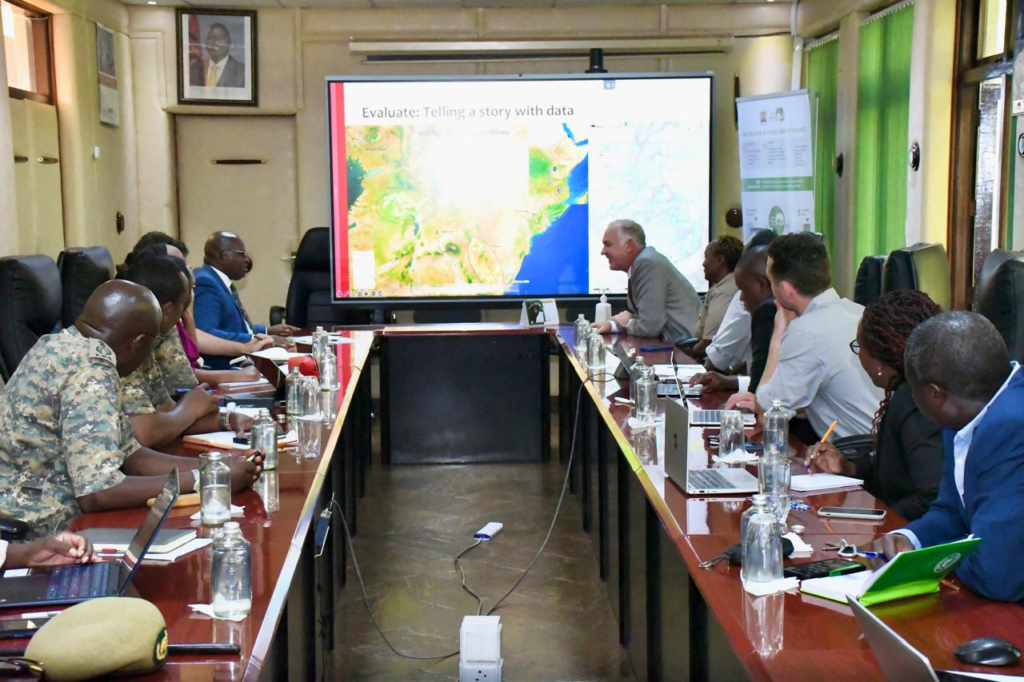
Through joint initiatives, KWS and MEP aim to reduce such conflicts while ensuring wildlife populations remain protected.
The two organisations reaffirmed their shared commitment to preserving Kenya’s biodiversity and strengthening conservation impact through coordinated action, innovation, and community engagement.
KWS said the partnership will continue to support efforts to secure wildlife habitats, protect endangered species, and ensure that future generations benefit from the country’s rich natural heritage.


