




KWALE, Kenya — Members of the National Assembly of Kenya have inspected the multi-billion shilling Mwache Dam project, reporting significant progress as construction reaches 78 percent completion.
The visit by the Departmental Committee on Blue Economy, Water and Irrigation, led by Chairperson Bowen Kangogo, forms part of Parliament’s oversight mandate on public infrastructure and water security projects.
The lawmakers were received at the site in Fulugani Village by officials from the Ministry of Water, Sanitation and Irrigation, led by Water Secretary Eng. Sam Alima, alongside the project management team from the Coast Water Works Development Agency.
During a briefing session, MPs were taken through key components of the project, including land compensation, the Livelihood Restoration Programme, and construction milestones for the main dam and supporting infrastructure.
A site tour revealed that the main dam is currently at 83 percent completion, while the lower check dam stands at 86 percent. Supporting social infrastructure is also progressing, with a health clinic at 82 percent, a police post at 65 percent, and access roads at 34 percent.
Education facilities for relocated communities are nearly complete, with Mwache ECDE, Nungunu Primary School, and Fulugani Primary School collectively reaching 98 percent completion.
However, the community water supply component remains at 17 percent, highlighting gaps in last-mile delivery.
Committee members sought clarification on compensation processes and the implementation of livelihood restoration measures for affected communities, underscoring the need to balance infrastructure development with social safeguards.
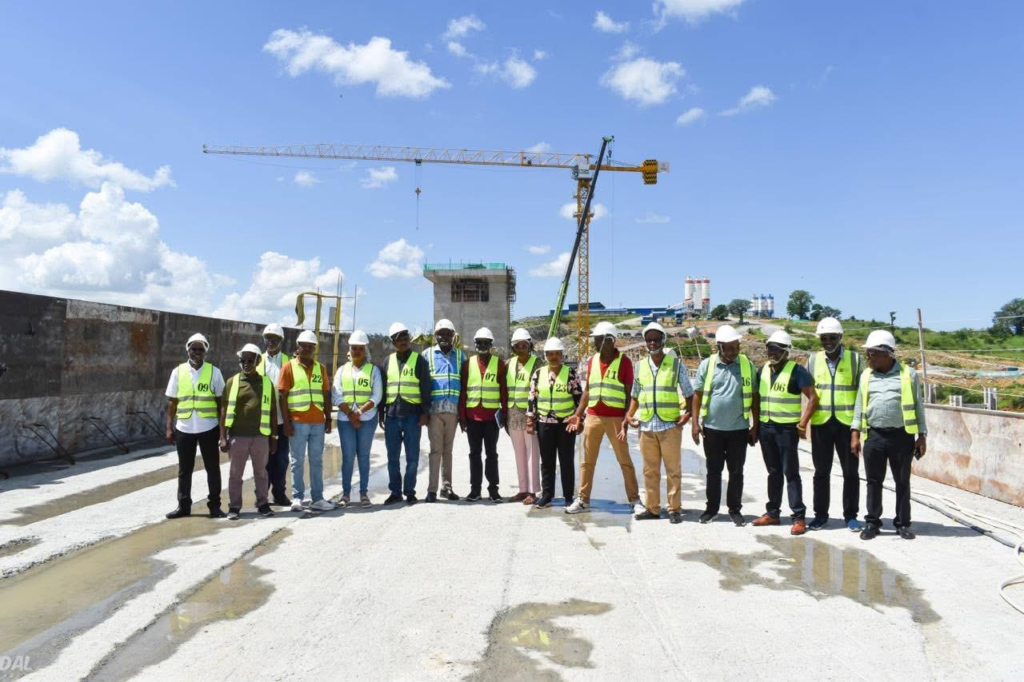
The Mwache Dam is a flagship water project in the Coast region, designed to enhance water supply to Mombasa and surrounding areas while supporting irrigation and flood control. It is also expected to boost economic activity and improve resilience against climate-related water stress.
Lawmakers said the inspection aimed to verify progress against public investment and ensure accountability in project implementation.
Parliamentary committees play a critical role under Kenya’s constitutional framework in overseeing the use of public resources and ensuring value for money in national projects.
The presence of multiple MPs from across the country reflects the project’s national significance, particularly in addressing water scarcity and supporting the government’s blue economy agenda.
Officials indicated that while construction is advancing steadily, timely completion will depend on resolving outstanding issues, including compensation and infrastructure linkages.

