




BOMET, Kenya- Agroecology and conservation experts from across Africa have converged in Bomet County for a regional forum seeking to strengthen sustainable farming practices, protect biodiversity, and improve community livelihoods.
The three-day Africa Agroecology Regional Exchange is being organised under the Agroecology for Life Initiative by World Wide Fund for Nature (WWF) and Biovision Foundation, bringing together conservation practitioners and food systems experts from Central, Eastern, and Southern Africa.
The forum, themed “Agroecology for Biodiversity and Livelihoods: Building Capacity and Partnerships in Africa,” has attracted representatives from Cameroon, the Central African Republic, the Democratic Republic of the Congo, Gabon, Kenya, Madagascar, South Africa, Tanzania, Uganda, Zambia, and Zimbabwe.
Participants are exploring how agroecological approaches can support biodiversity conservation, strengthen climate resilience, and improve food security across African communities.
The discussions come amid growing concerns over climate change, land degradation, biodiversity loss, and pressure on food systems across the continent.
Speaking during the opening session, WWF-Kenya representative Kevin Gichangi said Africa’s challenges require integrated solutions that protect ecosystems while supporting communities that depend on agriculture.
“Agriculture and conservation cannot be addressed independently. Agroecology presents us with a unique opportunity to produce food in ways that restore nature, strengthen communities, and build resilience to climate change,” Gichangi said.
He added that agroecology is increasingly being recognised as a practical conservation strategy that supports nature-positive production systems and contributes to global climate and biodiversity goals.
The exchange will include field visits to agroecological project sites, allowing participants to examine practical examples of sustainable farming and conservation approaches.
The organisers said the sessions will help participants understand how agroecology aligns with international frameworks, including the Kunming–Montreal Global Biodiversity Framework, particularly targets focused on sustainable production systems and biodiversity protection.
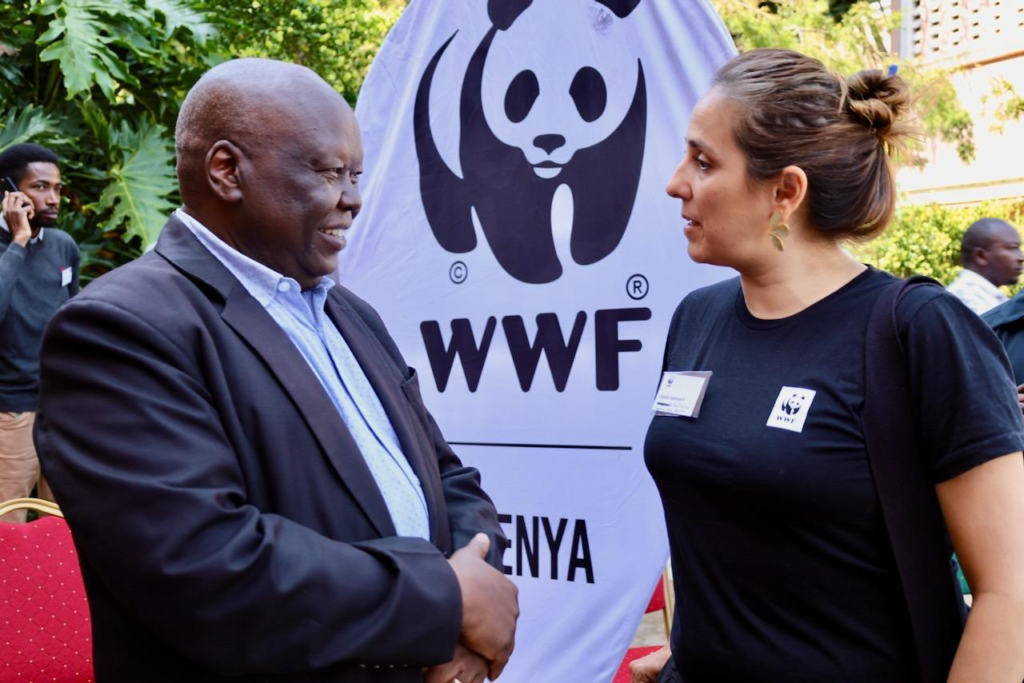
Experts are also expected to identify opportunities for stronger collaboration between conservation organisations, farmers, governments, and communities to scale up agroecological practices.
Karen Luz, Deputy Leader of WWF’s Global Food Practice, said partnerships, financing, and policy support are essential to expanding sustainable food systems.
She said agroecology offers a pathway to address food insecurity while restoring degraded landscapes and improving incomes for farming communities.
The Biovision Foundation highlighted its experience supporting agroecological transitions across Africa, noting that sustainable farming approaches have demonstrated potential in improving livelihoods and strengthening ecosystem resilience.
Bomet Deputy Governor Shadrack David Rotich welcomed the forum, saying county governments have a key role in promoting agricultural policies, environmental management, and responsible natural resource use.
He noted that agroecology aligns with county development priorities by supporting sustainable land-use practices and strengthening local food systems.
The meeting is expected to provide a platform for sharing lessons, identifying challenges, and building partnerships among African organisations working at the intersection of agriculture, conservation, and climate action.
Participants agreed that advancing agroecology requires collaboration between governments, development partners, researchers, and local communities to create food systems that benefit both people and the environment.


