




JOHANNESBURG, South Africa — South African President Cyril Ramaphosa has rejected growing calls for his resignation and vowed to challenge a report that could trigger fresh impeachment proceedings over the controversial Phala Phala cash scandal.
Ramaphosa said on Monday he would remain in office despite mounting political pressure following a landmark ruling by South Africa’s Constitutional Court that reopened scrutiny into the handling of the scandal.
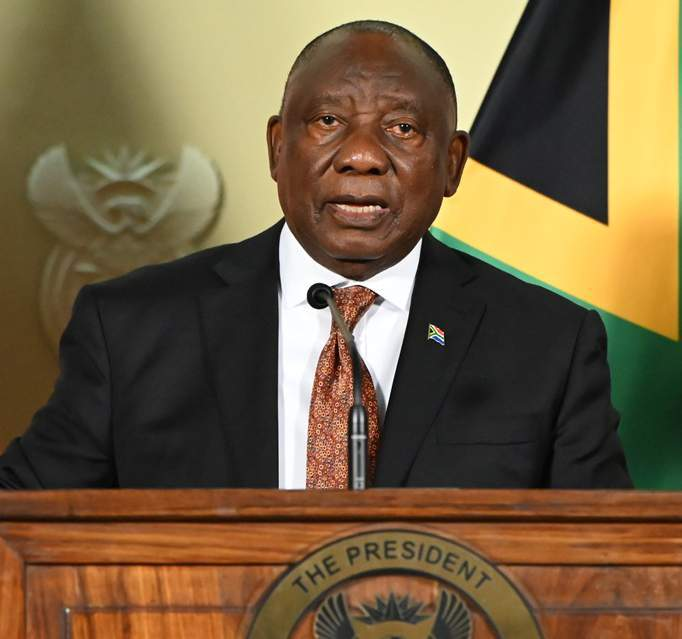
“I remain here and am not resigning,” Ramaphosa told reporters, ending days of speculation about his political future.
The crisis stems from allegations linked to the theft of about $580,000 allegedly hidden inside furniture at the president’s Phala Phala game farm in Limpopo province.
An independent parliamentary panel previously concluded there was prima facie evidence suggesting Ramaphosa may have committed serious misconduct in the way he handled the matter, including questions surrounding the source of the money and whether proper reporting procedures were followed.
Ramaphosa has consistently denied wrongdoing, maintaining that the cash originated from the legitimate sale of buffalo through his private farming business.
Last week, the Constitutional Court of South Africa ruled that parliament acted unconstitutionally when it voted in 2022 against establishing an impeachment inquiry into the matter.
The court decision effectively revives the possibility of impeachment proceedings in parliament and hands fresh momentum to opposition parties seeking Ramaphosa’s removal from office.
The president said he would seek a judicial review to challenge the report, arguing that its findings relied heavily on hearsay evidence.
His office later issued a statement reaffirming Ramaphosa’s commitment to constitutionalism, judicial independence and the rule of law.
“President Ramaphosa maintains that no person is above the law and that any allegations should be subjected to due process without fear, favour or prejudice,” the statement said.
The controversy has intensified political tensions within South Africa’s fragile coalition government.
Although Ramaphosa survived earlier impeachment efforts when the ruling African National Congress held a parliamentary majority, the ANC lost its outright dominance after the 2024 general election and now governs through coalition arrangements.
Opposition leader Julius Malema has renewed demands for Ramaphosa to step down, arguing that the president cannot simultaneously govern and prepare for impeachment proceedings.
“You cannot serve the two — one is going to suffer,” Malema told journalists outside court in Johannesburg.
Malema’s Economic Freedom Fighters, alongside the African Transformation Movement, spearheaded the legal challenge that resulted in the Constitutional Court ruling.
The EFF has since written to National Assembly Speaker Thoko Didiza seeking clarity on the next parliamentary steps following the judgment.
Political analyst Richard Calland said Ramaphosa may still survive a parliamentary impeachment vote but warned that public hearings could significantly damage his political legacy.
“The legal challenge may be aimed at avoiding a damaging impeachment hearing altogether,” Calland observed.
The Phala Phala scandal has remained one of the most politically damaging controversies of Ramaphosa’s presidency, raising broader concerns about transparency, accountability and internal divisions within the ANC ahead of future political contests.


